

Discipleship is the ongoing journey of following Jesus, deepening faith and helping others grow in their relationship with Him. It involves transformation through God’s Word and the application of biblical truths in daily life. This process influences how believers think, serve and pursue their calling. In this guide, we will explore the essence of discipleship, its significance, the discipleship process and its practical manifestations, drawing on insights from Dr. Bob Greene, a faculty member in the College of Theology.
What Is Discipleship?
Discipleship is the process of following Jesus, growing spiritually and helping others in their faith. It involves learning from Him, applying His teachings and becoming more like Him. Spiritual growth occurs through prayer, Scripture, worship, service and community, known as sanctification, which is a lifelong journey of transformation rather than a destination.

According to Dr. Bob Greene, faculty member in the College of Theology, discipleship is rooted in relationships and intentional spiritual investment. As he explains, “Discipleship is basically just being involved with someone who is teaching you, who is guiding you. And on the flip side, you should be discipling someone and doing that same thing.”
It’s important to understand the difference between conversion and discipleship. Conversion is the moment a person places their faith in Jesus Christ, while discipleship begins afterward and continues throughout a believer's life. It combines gaining biblical knowledge with practical application through obedience, service and relationships. Jesus exemplified this by teaching His disciples, investing in them and sending them to do the same for others.
Discipleship often involves:
Dr. Greene emphasizes that this pattern is woven throughout the Bible: “We study Scripture, we go deep, we learn from someone, they invest in us, and then we turn around and invest in others.” He adds that discipleship is “a big piece of the sanctification process” and reflects God’s design for spiritual growth, community and Christian living.
What Is a Disciple? The Biblical Foundation of Discipleship
A disciple follows Jesus, learns from His teachings and seeks to live by His example, committing to spiritual growth, obedience and a deeper relationship with God. Jesus demonstrated this model through His relationship with the Twelve Disciples. He didn’t merely teach them information. He lived alongside them, answered their questions, corrected them, challenged them and prepared them to continue His mission. When Jesus called Peter and Andrew in Matthew 4:19, He said, “Follow Me, and I will make you fishers of men.” This invitation illustrates an important aspect of discipleship: it begins with following Christ and results in a transformed life that impacts others.
The biblical foundation of discipleship is further emphasized in the Great Commission. Before ascending to heaven, Jesus instructed His followers to “go and make disciples of all nations” (Matthew 28:19-20). Notice that Jesus did not simply command believers to make converts. He called them to make disciples by teaching others to obey His commands and grow in their faith.
Scripture also highlights the commitment involved in discipleship. In Luke 9:23, Jesus teaches that anyone who wants to follow Him must “deny themselves and take up their cross daily.” This verse underscores that discipleship is a daily choice to submit to Christ’s leadership and pursue His purposes above our own.
Discipleship in the Bible is demonstrated through intentional relationships, as exemplified by Jesus’ relationship with the Twelve and Paul’s mentorship of Timothy and Titus. It highlights the importance of personal connections in faith development. A disciple is characterized not just by belief, but by a commitment to follow Christ, be transformed by His teachings and assist others in their spiritual growth.
Why Discipleship Matters in the Christian Life
Discipleship is important in the Christian life as it promotes spiritual growth beyond salvation through faith in Jesus. It involves applying Scripture, prayer, mentorship and building intentional relationships to navigate everyday challenges. This process fosters accountability and community, encouraging believers to support and correct one another. Ultimately, discipleship helps individuals deepen their commitment to Christ and grow together in their faith.
This raises an important question: Is there a difference between being a Christian and being a disciple? According to Dr. Bob Greene, the relationship between the two is worth thoughtful consideration. “I think every Christian is a disciple, or should be in some kind of discipleship relationship,” he explains. At the same time, he notes that “our salvation rests in the finished work of Christ, not in the works that we do.” In other words, discipleship is not what saves a person, but it is a natural and important response to saving faith.
Dr. Greene also points out that discipleship is a consistent pattern throughout Scripture: “I think we should all be disciples. It would be very difficult to find anyone in Scripture who was called into ministry who wasn’t in some kind of discipleship relationship.”
Benefits of discipleship may include:
What Does the Discipleship Process Look Like?
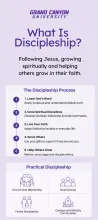
Discipleship is a unique journey for each believer, typically involving a gradual process of spiritual growth that transforms learning about Christ into living like Him. It is an intentional process shaped by relationships, biblical teaching and practical application rather than a one-size-fits-all program.
As Dr. Bob Greene explains, discipleship should be tailored to an individual’s stage of spiritual growth. “If you take a brand-new believer and you stick them with curriculum that is way above their pay grade, way beyond anything they’ve thought about, they’ve just come to Jesus.” Instead, effective discipleship meets people where they are and helps them take the next step in their faith journey.
- Learning God’s Word
The discipleship process begins with understanding Scripture. New and mature believers alike need a solid foundation in God’s Word to grow in their knowledge of who God is, what He has done and how He calls His people to live. Through Bible study, teaching and mentorship, disciples learn to interpret and apply biblical truth. - Developing Spiritual Disciplines
As believers grow in their understanding of Scripture, they begin developing habits that strengthen their relationship with God. Practices such as prayer, worship, Bible reading, fasting and fellowship help cultivate spiritual maturity and deepen faith over time. - Applying Faith in Daily Life
Discipleship is not limited to gaining knowledge. It involves putting biblical principles into practice in everyday situations. Whether in the workplace, at home or in relationships, disciples learn to reflect Christ’s character through their decisions, attitudes and actions. - Serving Others
Following Jesus naturally leads to serving others. As believers grow spiritually, they often discover opportunities to use their gifts to support their church, community and those in need. Service allows Christians to demonstrate God’s love in tangible ways while continuing to develop Christlike humility. - Helping Others Grow
A key goal of discipleship is multiplication. Just as Jesus invested in His disciples, Christians are called to help others grow in their faith. This may happen through mentoring, leading a small group, teaching Scripture or simply walking alongside another believer.
Dr. Greene emphasizes that discipleship is far more than completing a curriculum or attending a Bible study. “At the end of the day, discipleship is about living life together with people and intentionally living out our faith.” He describes discipleship as an investment of “time, energy, and really getting to know the person” to help them grow deeper in their relationship with Christ. As believers mature, they move from receiving spiritual guidance to providing it, creating a cycle of growth that continues throughout the Christian life.
Real-Life Examples of Discipleship
Discipleship involves helping individuals grow in their relationship with Christ through intentional guidance, encouragement and community. While methods may vary, effective discipleship relies on consistent relationships rather than specific programs.
Dr. Bob Greene has seen the impact of this firsthand through years of student ministry. Reflecting on his experience discipling junior high and high school students, he explains that discipleship involved more than teaching lessons. It meant “going and hanging out with students, investing in their lives, going to the games, the sports that they played, concerts, things of that nature, just getting to know them and getting to build that trust.”
For Dr. Greene, the most effective discipleship is deeply relational. “If I can trust you, then I can come to you with anything,” he says. “That is huge.” Discipleship is most impactful when believers intentionally journey through life together, guiding each other toward Christ.
Common Challenges in Discipleship
Discipleship is a powerful tool for spiritual growth, but it can present challenges for believers. Fortunately, these obstacles are common and can be overcome with practical solutions.
Challenge: Lack of Time
Modern schedules are often filled with work and family, making discipleship hard to prioritize.
Solution: Begin with manageable spiritual habits. Allocating just a few minutes daily for prayer or Scripture reading can foster growth and help it develop into a lifelong habit.
Challenge: Inconsistent Accountability
Many Christians desire spiritual growth but lack accountability and encouragement.
Solution: Connect with a local church, small group or mentor for discipleship, as community encourages support and discussion.
Challenge: Spiritual Discouragement
Periods of doubt, temptation or slow growth can leave believers feeling frustrated or stuck in their faith.
Solution: Seek support through prayer and connect with mature believers for perspective and encouragement.
Dr. Greene also emphasizes that discipleship is built on trust and relationships. “Without relationships, it’s going to be very hard” to create a healthy discipleship culture. When believers invest time in one another, they create the kind of authentic community where spiritual growth can thrive.
How To Begin Practicing Discipleship
Discipleship begins with a willingness to grow in your relationship with Christ and learn with others, not requiring a ministry title or extensive training. Take intentional steps toward spiritual growth and community instead of waiting to feel fully prepared.
- Study Scripture regularly. Spend time reading and understanding God’s Word to foster spiritual growth and apply its teachings in daily life.
- Develop a prayer habit. Prayer strengthens your relationship with God and helps you depend on Him for guidance, wisdom and encouragement.
- Join a church community. Discipleship thrives in relationships. Connect with a local church, small group or Bible study where you can grow alongside other believers.
- Seek a mentor. Look for a mature Christian who can encourage, challenge and help guide your spiritual development. Learning from someone who has walked faithfully with Christ can provide a valuable perspective and accountability.
- Look for opportunities to serve. Serving others helps put faith into action and develops Christlike character through humility, compassion and generosity.
- Commit to lifelong growth. Discipleship is not a short-term project but a lifelong journey of becoming more like Jesus.
Dr. Bob Greene notes that many Christians assume discipleship is only for those pursuing ministry, but Scripture presents it as a calling for all believers. He challenges Christians not to avoid discipleship because they feel unprepared, observing that many people “shy away from it because they’re not really sure that they’re ready.” Yet Jesus consistently called people to follow Him and grow through relationship, accountability and spiritual formation. For those wondering where to start, the first step is simple: begin pursuing Christ intentionally and invite others to join you on the journey.
Pursue Faith Formation Through Christian Education
Discipleship is a lifelong commitment to following Jesus and growing in faith. It involves being transformed by His teachings and helping others. Scripture emphasizes that discipleship fosters spiritual maturity through mentorship, community, accountability and service. As believers engage with God’s Word and develop spiritual disciplines, they become better equipped to live out their faith and make disciples.
For those who want to deepen their biblical knowledge and prepare for ministry, theology and Christian studies can provide a strong foundation for lifelong discipleship. Dr. Bob Greene believes one of the distinctive strengths of GCU's College of Theology is its commitment to teaching Scripture while exposing students to a broad range of theological perspectives. Rather than emphasizing a single denominational viewpoint, students are encouraged to study biblical interpretation, understand various theological traditions and thoughtfully develop their own convictions.
As Dr. Greene explains, "It's easy to be at GCU and develop what you believe and how you believe." He notes that students come from many different church backgrounds and benefit from an environment that is rooted in biblical teaching while remaining welcoming to diverse Christian traditions.
If you're interested in growing deeper in your faith, preparing for ministry or expanding your understanding of Scripture, explore GCU's ministry degrees. Whether you are just beginning your discipleship journey or seeking to invest in others, a strong theological education can help equip you to live out your calling with confidence and purpose.
Deepen Your Understanding of Scripture
Explore theology and Christian studies programs designed to strengthen faith, biblical knowledge and ministry.