

Sports Broadcaster Career Guide
What Is a Sports Broadcaster?
A sports broadcaster is a media professional who provides commentary, analysis and reporting about sporting events and sports-related news. Sports broadcasters may deliver live play-by-play commentary, analyze games and player performance, report sports news and conduct interviews. They may create content for television, radio, streaming platforms, podcasts and other digital media.
According to the U.S. Bureau of Labor Statistics (BLS), aspiring sports broadcasters may pursue a bachelor's degree in journalism, broadcasting or communications.(See disclaimer 1) Relevant degree programs may help students develop skills in reporting, interviewing, scriptwriting, broadcast production and on-air presentation.
What Are the Key Responsibilities of a Sports Broadcaster?
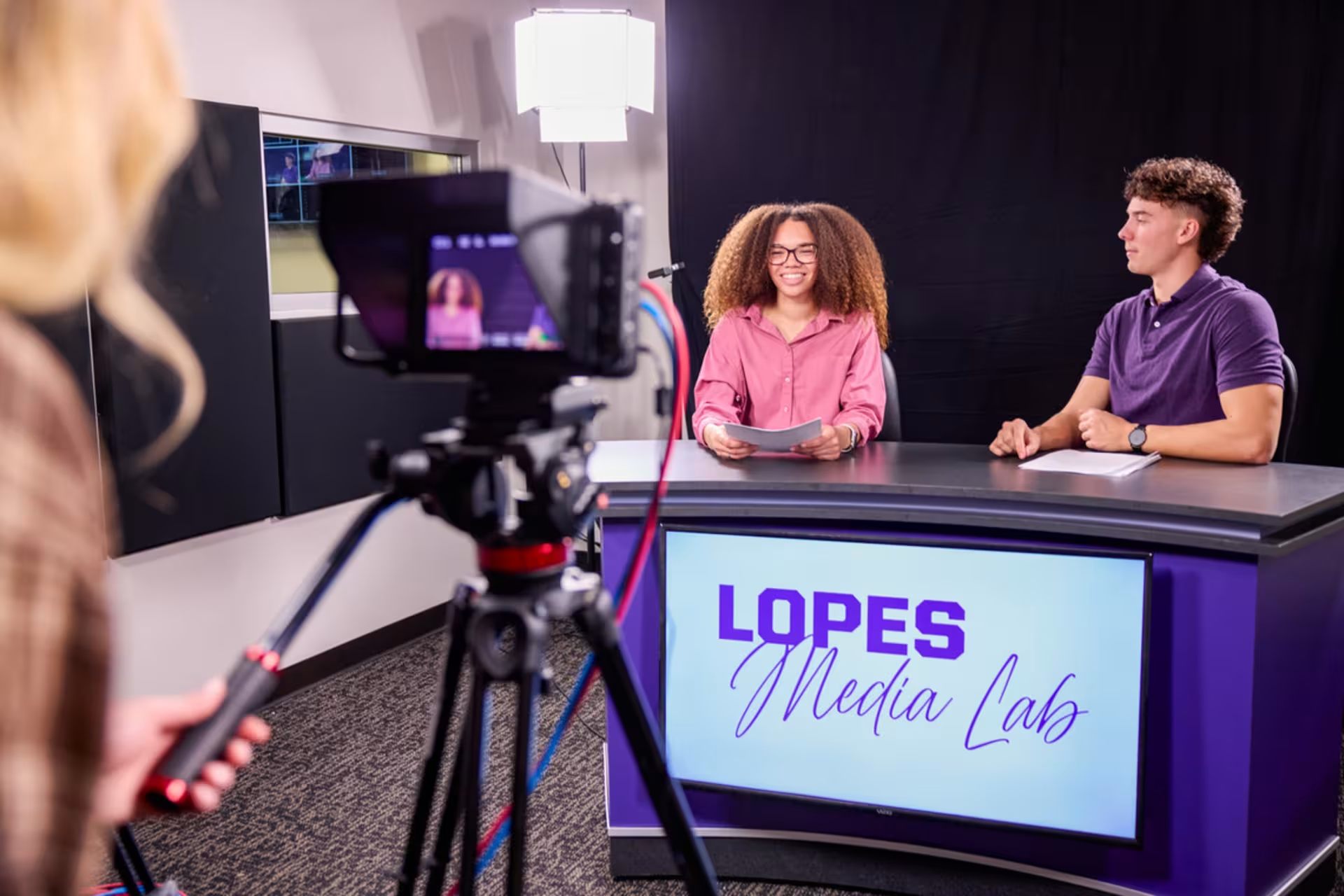
The key responsibilities of a sports broadcaster include providing live play-by-play commentary, analyzing games and player performance, interviewing athletes and coaches, and researching teams, statistics and storylines before broadcasts.
What Does a Sports Broadcaster Do?
Sports broadcasters turn sporting events and news into engaging stories for audiences across television, radio, streaming platforms and digital media.1 Their day-to-day work can vary depending on their role and the type of coverage they provide. Before a broadcast, they may research teams, athletes and statistics and prepare talking points or storylines. During live coverage, they may provide commentary, analyze the action or interview athletes and coaches. After an event, they may contribute to recaps, analysis and other sports-related content.
Sports broadcasters research teams, athletes, statistics and storylines and prepare information needed for upcoming coverage.
They provide commentary and analysis, report key developments and interview athletes, coaches or other sports professionals during live coverage.
These professionals develop recaps, analysis, interviews and other sports-related content that helps audiences understand what happened and why it matters.
Sports Broadcaster Salary and Career Growth
Sports broadcasting is a specialized career, and employment opportunities can vary by role, employer and type of media. The BLS does not report employment projections specifically for sports broadcasters; instead, they may fall within the broader category of announcers and DJs. The BLS projects about 3,700 openings for announcers and DJs each year, on average from 2025 to 2035.(See disclaimer 2)
For aspiring sports broadcasters, career opportunities may include roles in television and radio as well as streaming and other digital media. Because sports broadcasting can include live commentary, reporting, interviewing and content creation, developing experience across multiple formats may help aspiring professionals prepare for a range of broadcasting roles.

Projected openings for announcers and DJs each year, on average from 2025 to 2035.(See disclaimer 2)
Median hourly wage for broadcast announcers and radio disc jockeys in performing arts, spectator sports and related industries as of May 2025.(See disclaimer 3)
More than half of announcers and DJs work in educational institutions and related organizations in 2025.(See disclaimer 4)
Where Does a Sports Broadcaster Work?
Sports broadcasters may work in radio and television studios, stadiums and arenas and other settings where sports content is produced or presented. Their work environment depends on their employer and role, with some broadcasters working primarily in studios and others reporting from sporting events.1 Sports broadcasters may also work with schools and universities to cover athletic programs and produce content for campus media outlets.(See disclaimer 1)
Common work environments for sports broadcasters include:(See disclaimer 1)
Radio broadcasting stations
Sports broadcasters deliver live commentary, sports talk segments and game updates for radio audiences.
Live sporting events
At stadiums and arenas, these professionals provide real-time coverage, interviews and analysis during sporting events.
Educational institutions
Sports broadcasters working with schools or universities may cover athletic programs and create content for campus media channels.
Television broadcasting stations
Sports broadcasters working in television may provide game coverage, conduct athlete interviews and report sports news for viewers.
How To Become a Sports Broadcaster
Aspiring sports broadcasters may prepare for the profession by earning a relevant bachelor’s degree, gaining hands-on broadcasting experience and developing a portfolio that demonstrates their skills. Education in broadcasting, journalism or communications can help build foundational media and communication skills, while internships and other practical opportunities can provide experience in professional media environments.(See disclaimer 1)
Follow these common steps to become a sports broadcaster:(See disclaimer 1)
Earn a bachelor’s degree
Consider a bachelor’s degree in broadcasting, journalism, communications or a related field. Relevant coursework may help you develop skills in communication, reporting, storytelling and media production.
Gain hands-on broadcasting experience
Look for internships and other opportunities to practice sports coverage, media production or on-air communication. Practical experience can help you apply what you learn and become familiar with broadcasting environments.
Develop a broadcasting portfolio
Build a collection of work that demonstrates your broadcasting skills and experience. A portfolio can provide examples of your abilities as you pursue opportunities in sports broadcasting.

What Education Does a Sports Broadcaster Need?
Aspiring sports broadcasters may pursue a bachelor's degree in broadcasting, journalism, communications or a related field. Relevant degree programs may help students develop skills in communication, reporting, storytelling and media production.
Students interested in sports broadcasting may consider GCU's Bachelor of Arts in Communications with an Emphasis in Broadcasting and New Media, which provides study related to broadcasting and digital media.
Percentage of sports broadcasters who hold a bachelor's degree.⁴
What Degree Is Best for Sports Broadcasting?

What Skills Does a Sports Broadcaster Need?
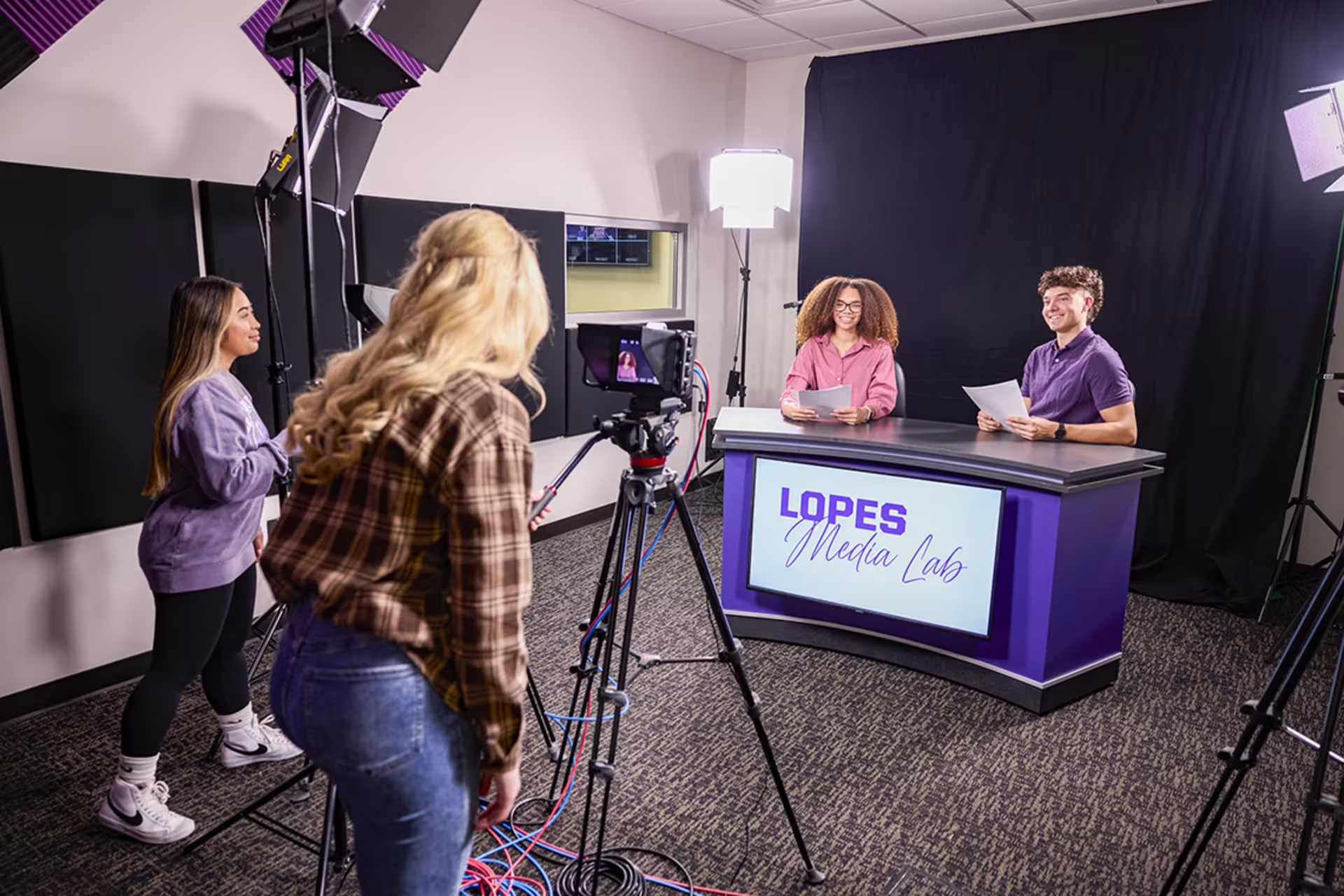
Sports broadcasters need strong communication, sports knowledge, research, technical, critical thinking and adaptability skills to prepare and deliver effective sports coverage. These skills support responsibilities ranging from researching teams and statistics to providing live commentary, conducting interviews and responding to unexpected developments during sporting events.(See disclaimer 1)
Key skills for sports broadcasters include:(See disclaimer 1)
Communication skills
Clear communication helps sports broadcasters explain live action, report updates and conduct interviews in a way audiences can easily follow.
Sports knowledge
Knowledge of sports rules, athletes, teams and strategies can help sports broadcasters provide context during sports coverage.
Research and preparation
Broadcasters may research statistics, teams and athletes before a broadcast to prepare accurate information, storylines and talking points.
Computer and technical skills
Technical skills may help sports broadcasters work with broadcasting equipment, audio production tools and digital media platforms used to create and deliver sports content.
Critical thinking
Critical thinking skills can help sports broadcasters analyze games, evaluate performances and provide context during sports coverage.
Adaptability
Adaptability can help sports broadcasters respond to unexpected developments during live sporting events and sports news coverage.
Sports Broadcaster Frequently Asked Questions
When considering a career in sports broadcasting, you likely have questions about education, job responsibilities and opportunities. The following FAQs and answers may help you plan your career path.
What is required to be a sports broadcaster?
Is being a sports broadcaster worth it?
What degree is best for sports broadcasting?
What is the difference between sports broadcasting and commentating?
What is the difference between sports journalism and sports broadcasting?
Do sports broadcasters travel for work?
Is a Career as a Sports Broadcaster Right for Me?
A career in sports broadcasting may be a good fit if you enjoy sports, communicating with audiences and working in media environments where events can develop quickly. Because sports broadcasters may provide live commentary, conduct interviews, report sports news and create media content, consider whether the day-to-day responsibilities and working conditions align with your interests, strengths and preferred work environment.
If these responsibilities and working conditions align with your interests and strengths, sports broadcasting may be a career worth exploring. Consider the education, hands-on experience and skills needed for the profession as you decide whether this career path fits your goals.
How Does Sports Broadcasting Compare to Sports Journalism?
Sports broadcasting and sports journalism both involve researching, reporting and telling stories about sports, but they often differ in how that coverage is delivered. Sports broadcasting primarily focuses on presenting sports coverage through television, radio, streaming and other audio or video formats, while sports journalism may include written, digital or multimedia reporting. The fields can overlap, and professionals in both may research stories, interview athletes and coaches, analyze sporting events and report sports news.
The right career path may depend on how you prefer to communicate with audiences. Sports broadcasting may appeal to those interested in on-air, audio or video coverage, while sports journalism may appeal to those interested in reporting and written or multimedia storytelling. Because the fields overlap, developing skills in research, interviewing, reporting and sports analysis can be useful in either career.
Explore Topics Related to Sports Broadcasting
Explore related articles about communications degrees, sports careers and new media to learn more about fields and skills related to sports broadcasting.



Develop communication, storytelling, media production and broadcasting skills through GCU degree programs designed to support your educational and career goals.
- U.S. Bureau of Labor Statistics. (2025, Aug. 28). Announcers and DJs. Occupational Outlook Handbook. Retrieved August 2026.
- Data shown is effective August 2026, which can be found here: U.S. Bureau of Labor Statistics, Occupational Outlook Handbook, Announcers and DJs, retrieved August 2026.
- The earnings referenced were reported by the U.S. Bureau of Labor Statistics (BLS), Announcers and DJs, as of May 2025, retrieved August 2026. BLS calculates the median using salaries of workers nationwide with varying levels of education and experience. It does not reflect the earnings of GCU graduates as announcers and DJs, nor does it reflect the earnings of workers in one city or region of the country or a typical entry-level salary. Median income is the statistical midpoint for the range of salaries in a specific occupation. It is very unlikely that a median salary will reflect an entry-level salary. It represents what you would earn if you were paid more money than half the workers in an occupation, and less than half the workers in an occupation. It may give you a basis to estimate what you might earn at some point if you enter this career. Grand Canyon University can make no guarantees on individual graduates’ salaries. Your employability will be determined by numerous factors over which GCU has no control, such as the employer the graduate chooses to apply to, the graduate’s experience level, individual characteristics, skills, etc. against a pool of candidates.
- Zippia. (2025, Jan. 8). Sports Broadcaster Demographics and Statistics in the U.S. Retrieved August 2026.
Approved and verified accurate by the Film and Broadcast Chair of the College of Arts and Media on Sept. 16, 2026.