


Bachelor’s Degrees in Psychology
What Is a Psychology Major?
A psychology major explores the scientific study of human thought, emotion and behavior. At GCU, you can pursue a psychology bachelor's or choose an emphasis program in forensic psychology or performance and sport psychology. These programs are available in online and on-campus formats. Bachelor's degrees in psychology can help prepare you for entry-level roles in human services and behavioral health settings. It also provides a foundation for graduate studies.
Psychology vs. Counseling: Which Bachelor’s Path Fits Your Goals?
Psychology and counseling bachelor’s degrees can lead to similar human services or behavioral health pathways, but they emphasize different aspects of helping people. A psychology degree is typically broader and more theory-based, while a counseling degree is usually more focused on communication, intervention and support skills.
Choose psychology if you want a broader foundation in human behavior. Choose a counseling degree if you are more interested in direct helping skills and counseling-related graduate pathways. We recommend reviewing each program’s curriculum, career outcomes and graduate-school requirements before choosing a path.
Areas of Study Across Psychology Bachelor's Degrees
Psychology is a broad and interdisciplinary field with applications across many areas of study. Undergraduate programs related to psychology span disciplines such as behavioral health, counseling, sociology and more, allowing students to examine human behavior from multiple perspectives.
GCU offers emphasis options that allow for a more focused area of study. Compare curricula, course offerings and potential career outcomes to help you identify a psychology‑related program that aligns with your interests and goals.

A general psychology degree program investigates how the human mind functions and why individuals think, feel and behave as they do. Students explore key concepts such as cognition, development, learning, motivation and social behavior, providing a foundation for understanding human behavior in various contexts. There are also options to specialize in specific areas of interest within the field.

Forensic psychology is an interdisciplinary field examining the intersection of psychological principles and the legal system. It focuses on decision-making and behavior related to crime, covering topics like criminal profiling, risk assessment and the effects of mental health on criminal behavior.
.jpg)
Performance and sport psychology examines how mental processes, emotional regulation and behavioral patterns impact performance under pressure. It focuses on motivation, confidence, focus and resilience, highlighting the mind-performance connection. While commonly used to aid athletes, its principles also benefit business leaders, performers and military personnel seeking mental sharpness and consistency.
Which Bachelor’s Program Is Right for You?
Answer a few quick questions and we'll help point you toward bachelor’s programs that match your goals and learning style. Results are meant to guide your search, not guarantee program fit or admission.
Up to 32% Off Tuition Scholarship
New online and evening undergraduate psychology or behavioral health science students may be eligible for up to 32% off tuition scholarship.†
Explore Psychology Bachelor’s Degrees
0 Matching Degrees
Opportunities To Lead, Research and Serve

"We have exceptional leadership opportunities. We also have undergraduate-level research as well as amazing hands-on volunteer opportunities."
"We have exceptional leadership opportunities. We also have undergraduate-level research as well as amazing hands-on volunteer opportunities."
What Does a Psychology Major Curriculum Look Like?
The curriculum for undergraduate psychology programs may vary depending on the emphasis. Students typically study core topics such as human development across the lifespan, psychological disorders and foundational theories of behavior and interaction.
Programs may also include specialized coursework aligned with a chosen area of study. Most programs conclude with a capstone project, which allows students to synthesize what they have learned, demonstrate their understanding and explore a topic of interest in greater depth.
Topics covered in a psychology bachelor’s degree may include:
Research and ethics
Scientific reasoning, scholarly writing and contemporary ethical issues, including the professional code of ethics
Abnormal psychology
The origin and development of atypical thought and behavioral patterns
Counseling theories
Models of counseling theories, including family systems, psychodynamic and person-centered theories
Family dynamics
Family relationships and structure, and the related effects of mental health disorders
Cognitive neuroscience
Cognition and neurophysiology, with a look at metacognition, mental imagery, perception and consciousness
Development and aging
The emotional, physical and cognitive aspects of human development and the stages of adulthood and aging
What Can You Do With a Bachelor’s in Psychology?
Median annual wage for social community service managers as of May 2024(See disclaimer 1)
A bachelor’s in psychology can lead to career paths focused on understanding and supporting human behavior across diverse settings. With an undergraduate degree, graduates may explore positions in community and social services, such as social and human service assistants, community outreach specialists or roles in case management. Some may also pursue opportunities in program coordination or entry-level positions within nonprofit organizations and healthcare systems.
For those looking to enhance their qualifications, obtaining a graduate degree provides access to more specialized roles in fields like counseling, research or advanced behavioral health.
Frequently Asked Questions About Psych Majors
Explore the following FAQs about psychology bachelor’s programs to help you better understand your options and reflect on your future career path.
Which bachelor’s degree is best for a psychologist?
Can I earn a bachelor’s in psychology degree completely online?
Should I get a bachelor’s in psychology or counseling?
Is a bachelor’s in psychology worth it?
What are the admission requirements for GCU’s undergraduate psychology programs?
What branches of psychology can you study?
Why Should You Consider Undergraduate Psychology Programs From GCU?
GCU integrates a Christian worldview into all psychology degree programs, emphasizing professional ethics, servant leadership and character development. This approach encourages students to serve others with respect, compassion and integrity, promoting human flourishing and making a difference in their communities.
GCU offers flexible online bachelor’s programs in psychology, providing students with digital resources, technical support and virtual collaboration opportunities. Online learners follow the same curriculum and academic standards as on-campus students.
Students attending classes on GCU’s Phoenix campus can enjoy a vibrant and engaging learning environment with face-to-face instruction from knowledgeable faculty. The campus features modern housing, a variety of dining options and a wide range of clubs, organizations and extracurricular activities that foster student connections.
GCU has been institutionally accredited by the Higher Learning Commission since 1968. The College of Humanities and Social Science shares the university’s commitment to upholding the principles and standards established by our accrediting bodies.
Student Resources and Support
All learners at GCU have access to a range of resources and support services designed to enhance their academic experience. These include general and subject-specific tutoring, faculty mentorship, technical support and career services. Students in the College of Humanities and Social Sciences can also take advantage of specialized, college-specific resources tailored to support their program of study and professional goals.
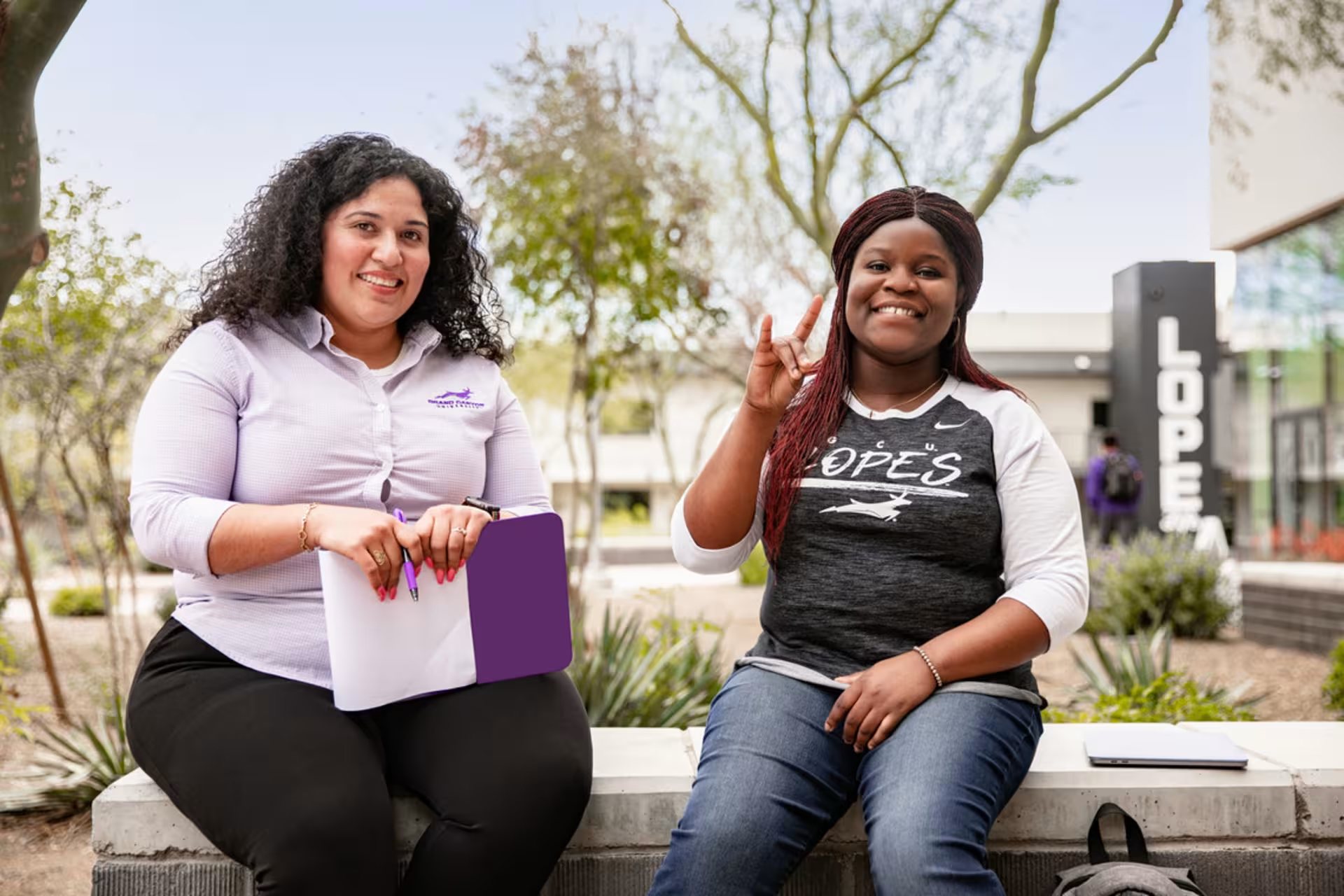
Build a foundation for understanding human behavior and supporting others by earning your bachelor’s in psychology at GCU.
- The earnings referenced were reported by the U.S. Bureau of Labor Statistics (“BLS”), Social and Community Service Managers, as of May 2024, retrieved March 2026. Due to COVID-19, data from 2020 to 2023 may be atypical compared to prior years. BLS calculates the median using salaries of workers nationwide with varying levels of education and experience. It does not reflect the earnings of GCU graduates as social and community service managers, nor does it reflect earnings of workers in one city or region of the country or a typical entry-level salary. Median income is the statistical midpoint for the range of salaries in a specific occupation. It represents what you would earn if you were paid more money than half the workers in an occupation, and less than half the workers in an occupation. It may give you a basis to estimate what you might earn at some point if you enter this career. Grand Canyon University can make no guarantees on individual graduates’ salaries. Your employability will be determined by numerous factors over which GCU has no control, such as the employer the graduate chooses to apply to, the graduate’s experience level, individual characteristics, skills, etc., against a pool of candidates.
Approved and verified accurate by the Assistant Dean of the College of Humanities and Social Sciences on July 6, 2026.