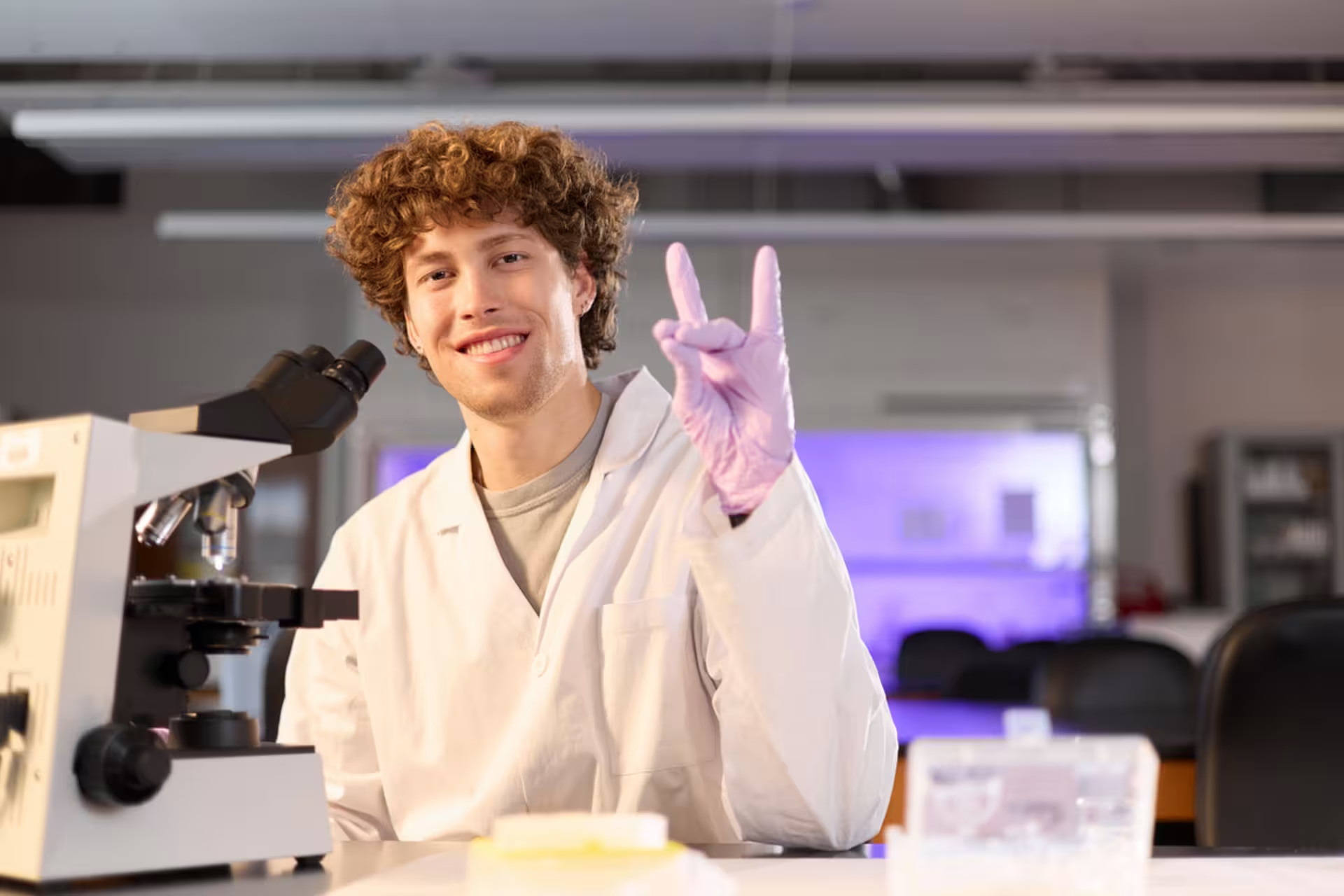

The POWER Lab at Grand Canyon University gives students the chance to investigate relevant questions in exercise science, biomechanics and wellness using technology and evidence-based methods. From analyzing sports performance to studying cognitive function, participants can gain practical skills that can help in future careers and graduate programs. The POWER Lab can help students shape their future through wellness research and meaningful contributions to the field.
What Is the POWER Lab at GCU?
The Performance Optimization, Wellness and Exercise Science Research (POWER) Lab is an innovative space within GCU’s College of Natural Sciences dedicated to advancing research in health, nutrition, biomechanics and cognitive performance. This lab offers students hands-on experience that helps them develop a deeper understanding of evidence-based practices and scientific research.
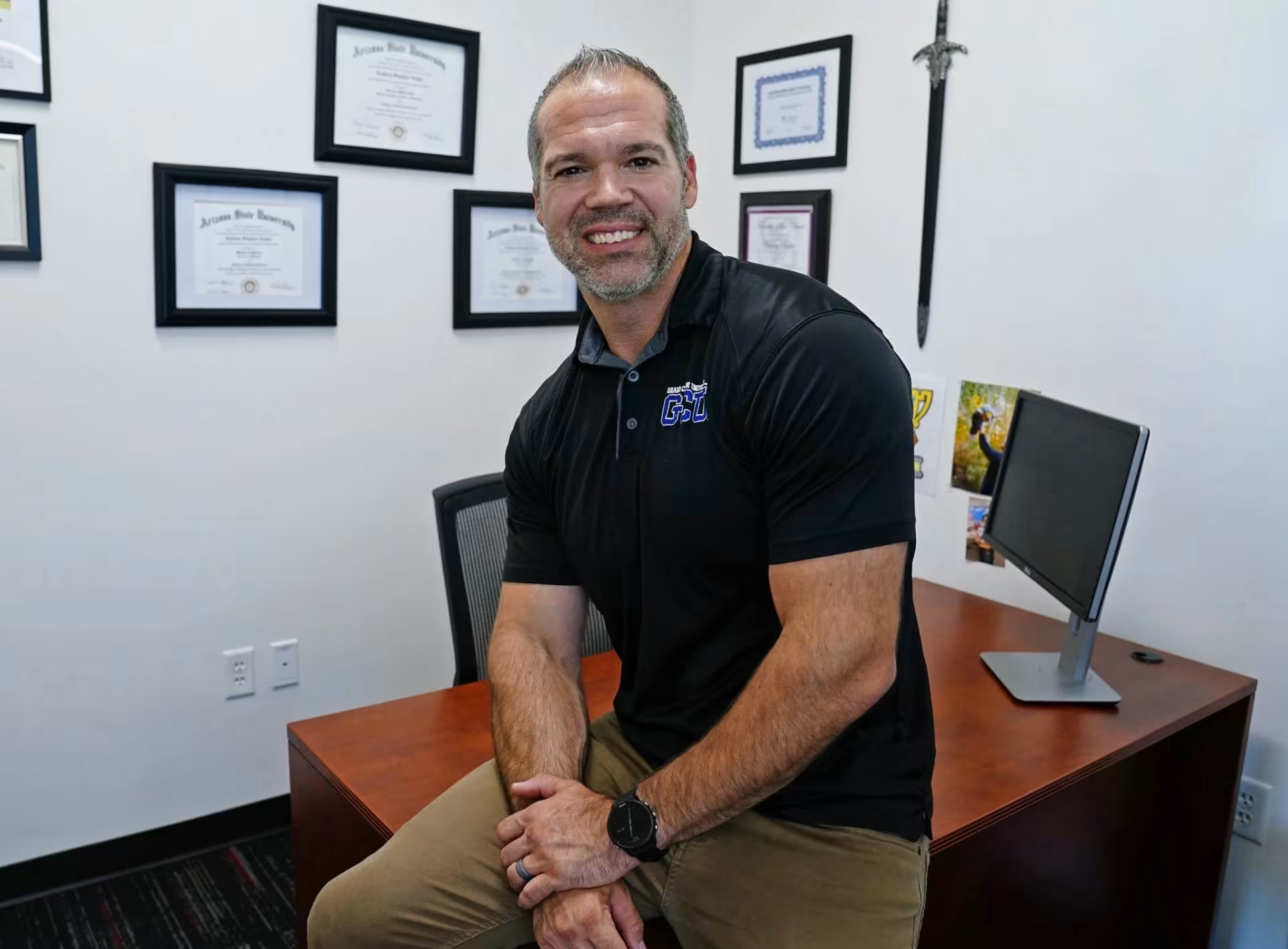
Through the POWER Lab, students have the opportunity to explore areas such as exercise research, sports performance and overall wellness. The program emphasizes professional communication skills and research experience, helping to prepare participants for careers in the field or graduate-level studies. Students may also gain experience creating conference presentations and publications. “Any students who are willing to put in the work can join a research project and see it through to presentation or publication,” explains Dr. Zach Zeigler, primary investigator of the POWER Lab.
The POWER Lab played an important role in understanding the impact of physical activity during the COVID-19 pandemic. Dr. Zeigler led groundbreaking research on the effects of exercising with a mask and pandemic-related weight gain. “It was cited more than 600 times by other researchers because we were the first,” he shared.
Current Research Projects
Here are some of the current research projects at GCU’s POWER Lab:
Postural Study: Investigating which body position offers the greatest cardiovascular benefits following physical activity.
Nonresponder: Examining individuals who do not respond to exercise and exploring whether varying workout types and intensities can trigger a positive effect.
Religiosity: Exploring the relationship between spiritual and religious practices and their influence on overall health outcomes.
Lumen: Assessing the effectiveness of Lumen devices in enhancing metabolic health.
SynCyn Study: Utilizing EEG technology to evaluate concussion indicators among club sports athletes as a proof-of-concept study.
ROTC: Determining whether fitness assessments can predict cadets’ performance on standard military fitness tests.
GPA: Investigating whether general health status can serve as a predictor of academic performance, such as GPA.
Lopes Injury Screen: Creating a screening tool aimed at forecasting potential injuries in athletes.
Tactical Lopes Training: Enhancing Army ROTC cadets’ performance on the Army Combat Fitness Test (ACFT) through specialized strength and conditioning strategies and sports performance expertise.
Lopes Adapt: Delivering tailored strength and conditioning programs to support adaptive athletes in achieving their fitness goals.
Club Sports Strength and Conditioning: Elevating athletic performance for club sports teams through targeted training methods and expert guidance in strength and conditioning.
"This gives undergraduates the opportunity to think critically and rely on good science, and that in my mind is what learning is. When you are done, hopefully you have learned how to learn."
The Importance of Undergraduate Research in Exercise Performance
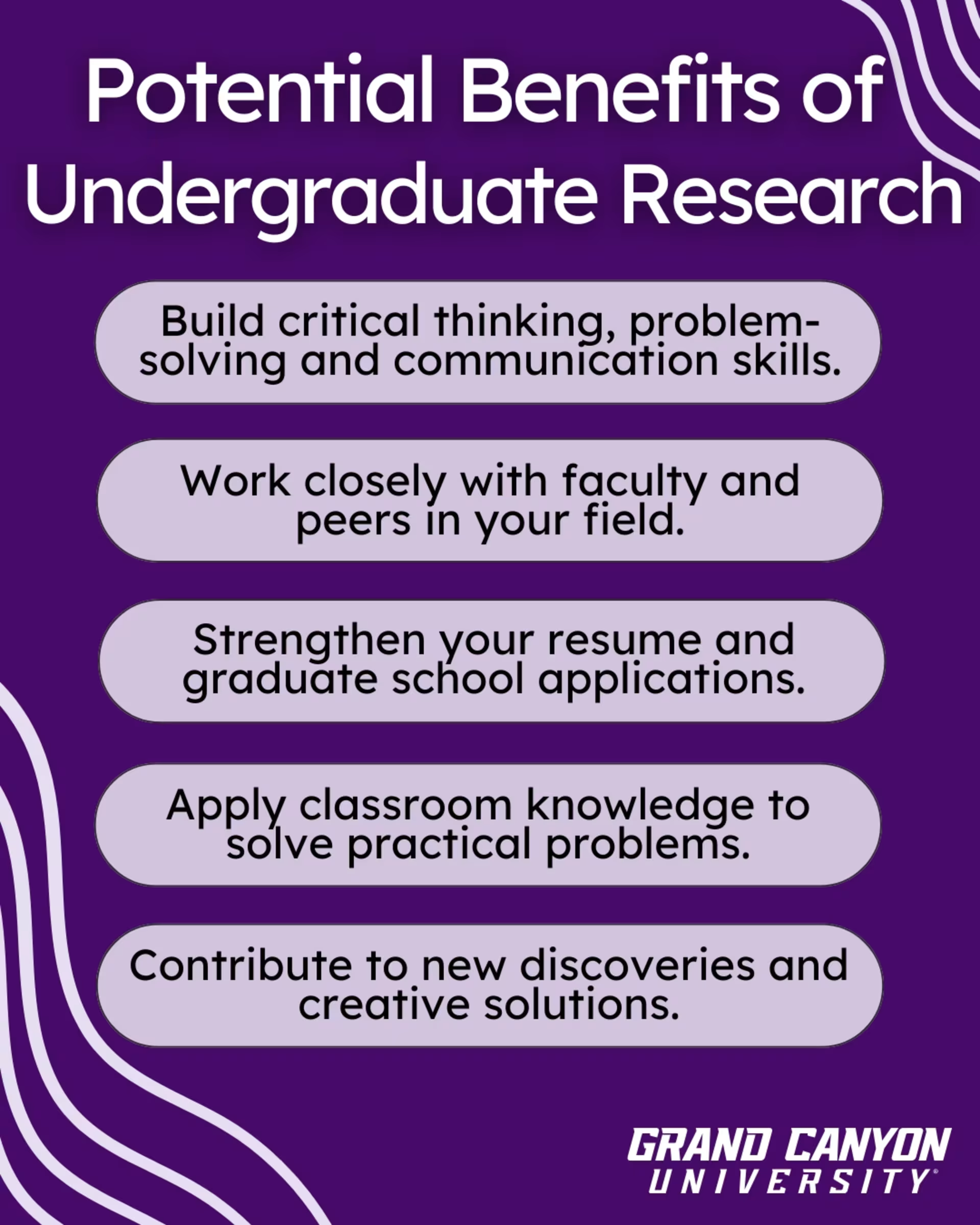
Undergraduate research provides students with the opportunity to put their knowledge into practice. For students pursuing degrees in science, engineering, psychology and health, research projects help them learn to ask meaningful questions, design experiments and interpret results in a controlled environment.
Through research projects, students can learn to collaborate with peers and faculty, analyze data and communicate findings effectively. These experiences can not only strengthen technical knowledge but also build confidence in knowing how to apply their knowledge to solve real problems. Engaging in exercise and wellness research gives students the opportunity to develop their critical thinking and problem-solving skills, which are essential for pursuing graduate programs and professional careers.
Developing Practical Experience for Future Careers
Research demands extensive knowledge and follows a multi-step process that requires a range of technical skills. Through this experience, students can learn how to plan strategically, learn from their mistakes and organize projects from start to finish.
Bridging Theory and Application
While students may learn statistical methods or scientific concepts in class, they often acquire new meaning and clarity when they are applied in the context of a research study. While textbooks describe hypothetical concepts, lab research allows students to apply their knowledge in real settings.
Fostering Critical Thinking and Problem-Solving
Research studies involve a significant amount of time, planning and resources. Even when planning is thorough, unexpected problems often arise in the research process. Students can learn how to adapt effectively, develop problem-solving strategies and maintain progress toward their research goals.
Impact on Personal and Professional Growth
Research experience can be a great addition to your resume. Along with career-applicable technical skills, you can gain confidence in your communication, teamwork and project management. These experiences can help you practice your leadership skills as you navigate the lab.
Start Your Research Journey at GCU
GCU’s College of Natural Sciences offers many opportunities to get involved in research, collaborate with knowledgeable faculty and gain hands-on experience in facilities like the POWER Lab. Whether you’re exploring degree programs or seeking ways to enhance your academic and professional growth, GCU provides the resources and support to help you.
Explore Research Opportunities at GCU
Discover GCU’s research opportunities and learn how you can make an impact in the field of exercise research.