

Choosing the right degree is an important step in shaping your academic and professional future. Both bachelor’s and master’s degrees represent meaningful milestones in higher education, but they serve different purposes and offer distinct learning experiences. While a bachelor’s degree can help build foundational knowledge and can prepare you for entry-level roles, a master’s degree can provide advanced specialization that may support leadership opportunities or professional growth.
According to the National Center for Education Statistics (NCES), these degrees are designed to meet different stages of academic and career development, with increasing depth and focus as students progress through higher levels of education.(See disclaimer 1)
This blog is designed to serve as a guide to help you better understand the differences between a bachelor’s and a master’s degree so you can determine which path aligns with your goals, readiness and long-term plans. Key distinctions include credit requirements, coursework depth and potential career outcomes.
Ultimately, the right choice depends on your career goals, industry expectations and where you are in your academic journey. GCU offers a wide range of flexible bachelor’s and master’s degree programs designed to support you at every stage of your education.
What Is a Bachelor’s Degree?
A bachelor’s degree is an undergraduate academic credential that typically requires around 120 credits to complete. These programs are designed to provide a broad, well-rounded educational experience by combining general education courses, electives and major-specific coursework. Through this structure, you can develop foundational knowledge in your chosen field while also gaining transferable skills such as communication, critical thinking and problem-solving.
These undergraduate programs can serve as preparation for entry-level positions in many industries or as a steppingstone toward graduate study. They are often the first major academic credential students pursue after high school or earning a GED.
What Is a Master’s Degree?
A master’s degree is a graduate-level credential earned after completing a bachelor’s degree and typically requires between 30 and 60 credits, depending on the program. Master’s programs emphasize advanced study, specialization and professional or academic application. Coursework often focuses on leadership development within the field, research methods, strategic thinking or applied practice within a specific discipline.
For many students, earning a master’s degree can represent a natural progression from undergraduate study, allowing them to build upon previous studies while deepening expertise in a particular area. This advanced focus can support both personal growth and professional development, especially in fields where specialized knowledge or graduate-level training is valued.
Master’s vs. Bachelor’s Degree: Key Differences
While both degrees play important roles in higher education, they differ in structure, expectations and learning outcomes.
Admission Requirements
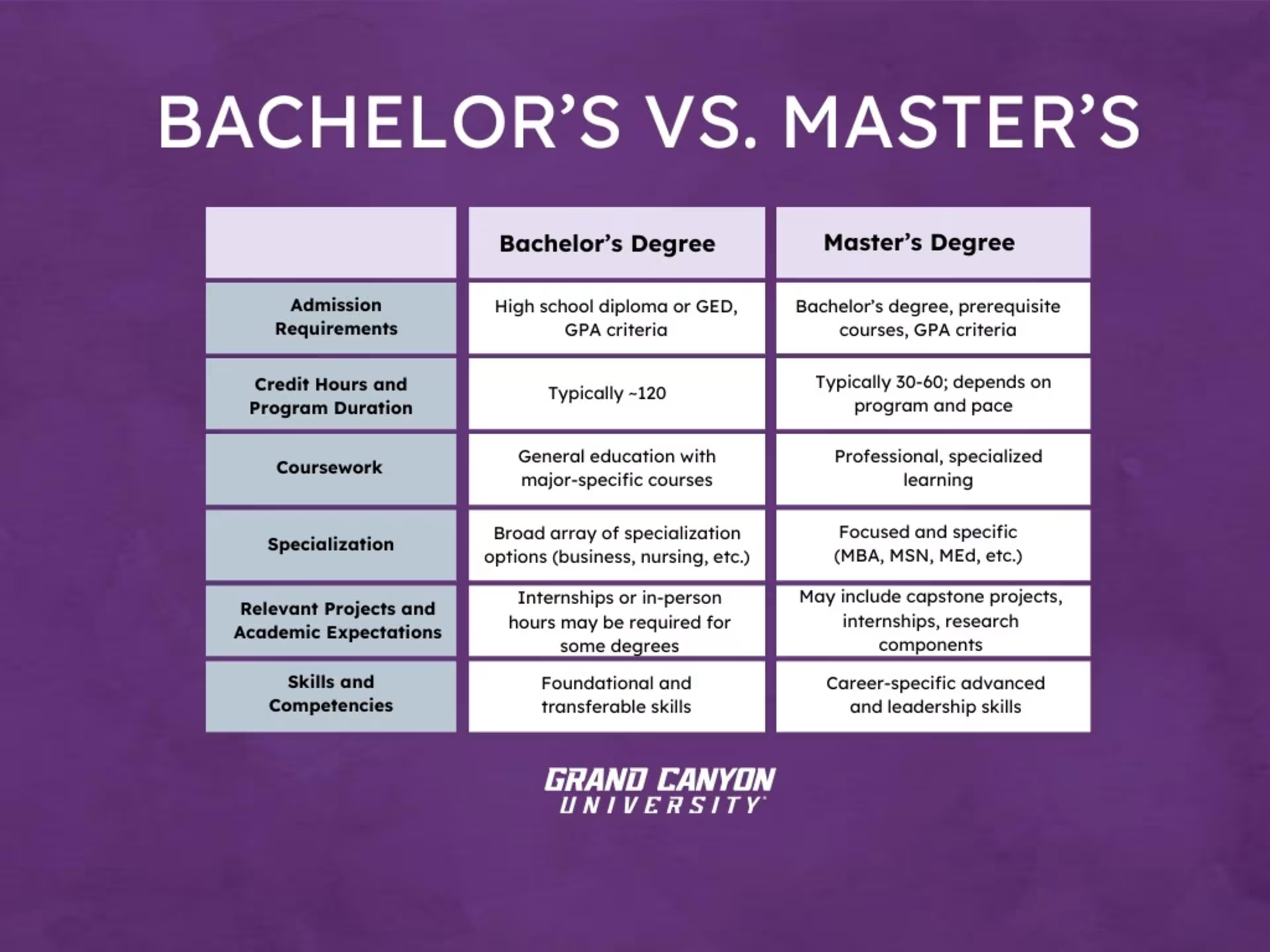
Bachelor’s programs generally require a high school diploma or GED with a minimum GPA and possible SAT or ACT scores, while master’s programs require a completed bachelor’s degree. Master’s degree programs may also require additional criteria such as prerequisite coursework, a minimum GPA or professional experience, depending on the field.
Credit Hours and Program Scope
Bachelor’s degrees typically require approximately 120 credits for completion. Master’s programs usually require between 30 and 60 credits; however, this may vary based on program and pace. Some fields — such as counseling or education — may exceed the 30 to 60 credit range. Because of this difference, master’s programs often involve fewer total courses but more advanced content.
General Education vs. Specialized Coursework
Because a bachelor’s program can often be a student’s first experience with higher education, the teachings are more rounded and cover various important foundational topics. Bachelor’s programs blend general education requirements with major-specific courses, offering broad exposure alongside foundational discipline knowledge.
In contrast, students pursue a master’s program to gain knowledge and skills in a specific area of study. Therefore, master’s programs focus almost entirely on specialized coursework tailored to a specific profession or array of similar careers.
Level of Specialization and Example Fields
One of the key distinctions between bachelor’s and master’s degrees is the level of specialization involved. In combination with a set of general education requirements, bachelor’s programs are designed to introduce students to broad academic disciplines, such as business, nursing or education, while also building foundational knowledge and transferable skills.
In contrast, master’s degrees immediately concentrate on a specific area within a field, allowing students to develop advanced expertise applicable to their potential career. Programs like a Master of Business Administration (MBA), Master of Science in Nursing (MSN) or Master of Education in Leadership (MEd) focus coursework, strategic thinking and applied learning to professional roles.
Relevant Projects and Academic Expectations
Depending on the university and specific program graduation requirements, some undergraduate programs may involve completing an internship or hands-on experience. Graduate programs often include capstone projects, research, fieldwork, internships or applied experiences that demonstrate advanced understanding and professional readiness. These expectations reflect the higher level of academic rigor and may align with relevant professional credential requirements that students may seek post graduation.
Skills and Professional Competencies Developed
Bachelor’s programs can help students develop foundational and transferable skills, including communication, collaboration, critical thinking and discipline-specific fundamentals. Master’s programs build on these skills by emphasizing strategic decision-making, leadership, research literacy and complex problem-solving at a professional level.
Should You Pursue a Master's after a Bachelor's?
Making the decision to pursue a master's after your bachelor's depends on your career goals, experience and personal interests.
Timing Your Graduate Study
There is no single right time to pursue a master’s degree. The best choice often depends on your career goals and level of preparedness. Because certain careers, such as a lawyer or athletic trainer, require graduate education, some students may continue directly into graduate study after completing their bachelor's, while others gain professional experience first to clarify interests and strengthen their existing knowledge.
In some fields, work experience can enhance graduate learning, while in others, advanced education may help students qualify for roles sooner. Evaluating industry expectations and personal readiness can help determine the ideal timing for you.
Factors to Consider
When deciding if it's worth it for you to pursue your master's degree, it's important to take a holistic look at your goals and circumstances. Consider the level of education that your optimal career path requires. It's also important to understand the amount of time and level of financial commitment that this can require. Your motivation and learning style may also matter, as graduate programs often require greater independence and focus. Weighing these factors can help you decide on an academic path that may not only qualify you for the career you want, but will be realistic for you as well.
Career Path Examples
Bachelor’s and master’s degrees can support different levels of professional responsibility across many industries.
A bachelor’s degree may prepare students for a number of entry-level or early-career roles related to their program of study. Some examples include:
A master’s degree often aligns with advanced or specialized positions, including:
While individual outcomes vary, understanding how education levels correspond to career pathways can help clarify which degree best supports your professional goals.
Difference in median weekly earnings for bachelor’s vs. master’s degree holders(See disclaimer 2)
Teaching and Licensing Pathways
In certain professions, educational requirements extend beyond a bachelor’s degree. Fields such as education, counseling and some healthcare specialties may require a master’s degree for licensure, certification or advancement. These requirements are often set by state boards or professional organizations and can vary by location and role. Researching licensure standards early can help you plan your academic pathway more effectively and avoid delays, ensuring your degree aligns with both regulatory expectations and career objectives.
Alternative and Bridge Pathways
For students looking to change careers or pursue advanced study in a new discipline, alternative programs and bridge pathways can provide a structured route into graduate-level work. These options may include prerequisite coursework to potentially prepare students who did not complete a related bachelor’s degree. By addressing foundational knowledge gaps, bridge pathways help students meet admission requirements for certain master’s programs — such as business or nursing — where specific undergraduate preparation is typically expected.
While maintaining academic rigor, these pathways can help support a smoother transition into a new field and open opportunities for students ready to advance their education in a different direction.
Advancing Your Education With a Bachelor’s or Master’s Degree From GCU
Whether you’re just starting your academic journey or looking to advance your education, the right degree depends on your personal and professional goals. GCU offers flexible bachelor’s and master’s degree programs across a wide range of disciplines, designed to support both traditional students and working adults.
With options that emphasize academic quality, supportive resources and adaptable learning formats, GCU helps students pursue education that aligns with their ambitions. Explore our degree offerings or connect with a university counselor to learn more about which path may be right for you.
Master’s vs. Bachelor’s: FAQs
Read through our collection of frequently asked questions and answers to learn more about earning a master’s vs. bachelor’s, such as timeline expectations and modality options.
What's the difference between a bachelor’s and a master’s?
A bachelor’s degree is designed to build foundational knowledge and transferable skills across a broad field of study, preparing students for entry-level roles or further education. A master’s degree builds on that foundation by offering advanced, specialized coursework that may support leadership responsibilities, professional advancement or deeper expertise in a specific discipline. Certain professions and elevated positions may require a master’s degree for consideration.
Are there online or hybrid options for both degrees?
Yes. GCU offers flexible online(See disclaimer 3) degrees and hybrid learning options for most bachelor’s and master’s programs. These formats are designed to support a range of learners, including working professionals and those seeking greater flexibility while pursuing their education. GCU’s online programs also come with helpful resources, such as eBooks, forums, technical support and online tutoring to support you in your studies.
How does the cost compare between the two?
Master’s degrees, while typically being shorter in total credit hours than bachelor’s programs, may have a higher cost per credit. According to the Department of Education 2021-22 data, graduate tuition was 2.6 times more expensive than undergraduate rates throughout public universities.(See disclaimer 4) Overall expenses can vary by program, financial aid and scholarships, and employer tuition assistance may help make either option more manageable.
Which degree leads to potentially higher earning potential?
On average, individuals with a master’s degree tend to qualify for more advanced roles and may earn higher annual wages compared to those with only a bachelor’s degree. According to the U.S. Bureau of Labor Statistics, the median weekly earnings for master’s degree holders is $1,840, compared to $1,543 for bachelor’s degree holders — a difference of $297.(See disclaimer 2) However, earning potential can vary based on industry, experience, role and geographic location.
Do you need a bachelor’s to get a master’s?
In most cases, a completed bachelor’s degree is required before enrolling in a master’s program. This undergraduate education provides the academic foundation needed for graduate-level study. Some programs may also require specific prerequisite coursework and/or a GPA requirement, depending on the program and discipline.
How many years is a master’s degree?
The length of a master’s degree can vary by program, field of study and enrollment pace. Graduate programs typically require between 30 and 60 credits, which many students complete in fewer years than a bachelor’s degree, depending on whether they study full time or part time. Connect with a GCU university counselor for your personalized plan and time to completion.