

Positive psychology is more than just a trendy concept; it is a scientific approach that seeks to understand what makes life meaningful and fulfilling. Rather than concentrating solely on problems or mental disorders, positive psychology highlights strengths, resilience and overall well-being.(See disclaimer 1)
In this guide, we will discuss how these principles can be applied in everyday life to enhance happiness and personal growth and how mental health professionals integrate these strategies into therapy to assist individuals in achieving better mental health.
Positive Psychology Meaning
Positive psychology is a branch of psychological theory and research that concentrates on understanding the factors, traits and institutions that contribute to enhanced subjective well-being and make life truly worthwhile.(See disclaimer 1) Unlike traditional psychology, which often emphasizes the diagnosis and treatment of mental illness, positive psychology explores the scientifically grounded aspects of positive human experiences.
Core Principles and Goals of Positive Psychology
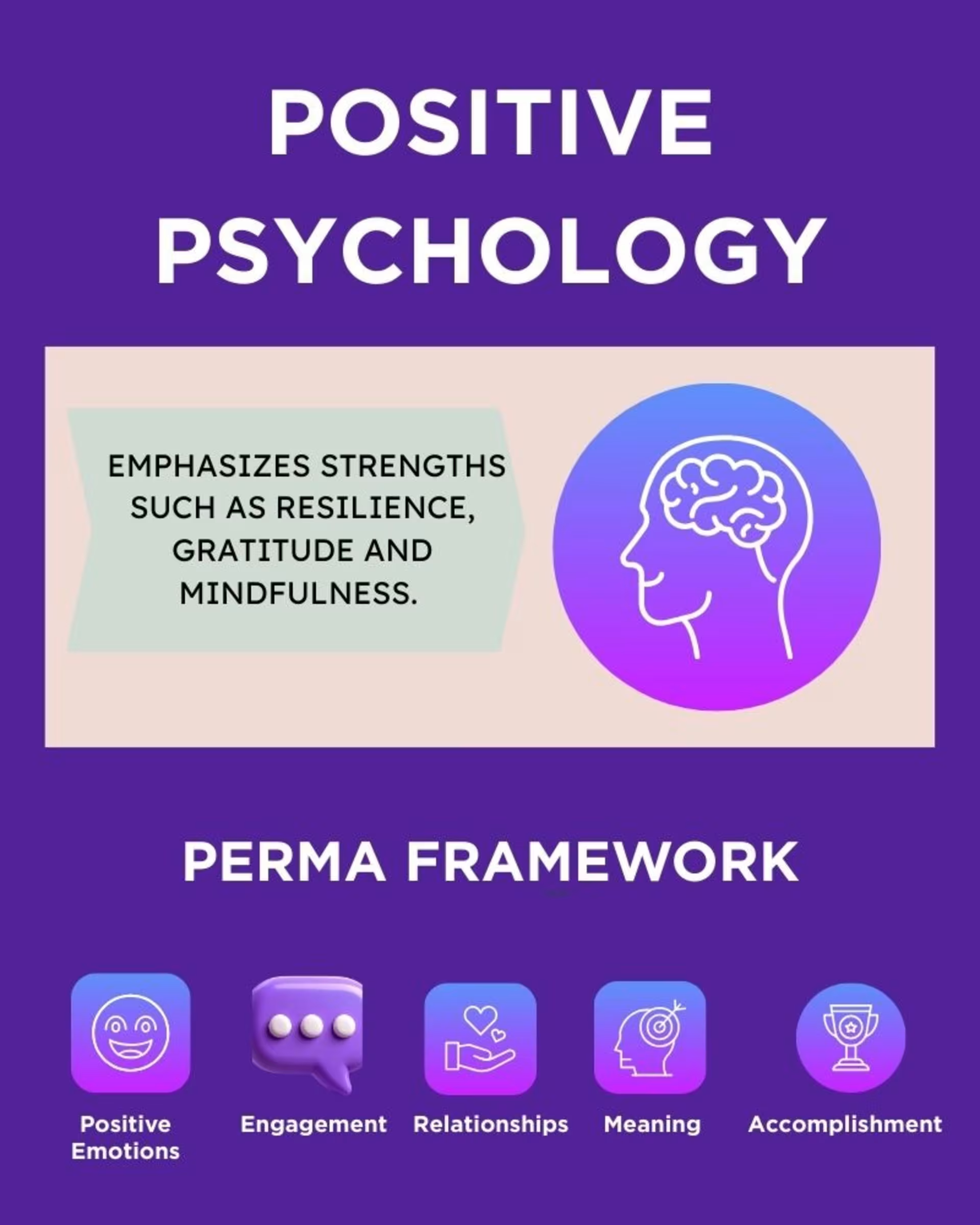
Positive psychology focuses on cultivating the qualities that enable individuals and communities to thrive. Instead of solely addressing what’s wrong, this field emphasizes what’s strong by highlighting strengths such as resilience, gratitude and mindfulness.(See disclaimer 2) It promotes a strengths-based approach, encouraging people to identify and develop unique qualities, such as integrity and creativity, to enhance life satisfaction.(See disclaimer 2)
Central to this field is the concept of well-being and flourishing, which includes contentment, purpose and meaningful relationships. The PERMA framework, developed by Martin Seligman, outlines five key elements for sustained well-being:(See disclaimer 3)
These principles can support resilience and the creation of thriving environments.
Why Positive Psychology Matters in Modern Mental Health
Mental health, among all perspectives, now prioritizes resilience and overall well-being, shifting from merely treating illness to cultivating strengths such as optimism and gratitude.(See disclaimer 4) Techniques such as mindfulness and identifying personal strengths can reduce stress and enhance life satisfaction.(See disclaimer 4)
For mental health professionals, these proactive strategies can empower clients to achieve long-term happiness and personal growth, going beyond just symptom management.(See disclaimer 5)
How It Differs From Traditional Psychology
Traditional psychology focuses on diagnosing and treating mental illness, whereas positive psychology emphasizes strengths and well-being. Instead of just addressing problems, positive psychology proactively provides tools, such as gratitude exercises and optimism practices, to foster fulfillment and prevent issues.(See disclaimer 6) Additionally, positive psychology has a broader scope; it not only addresses mental health in clinical settings but can also enhance resilience, strengthen relationships and boost life satisfaction in everyday life.(See disclaimer 6)
Benefits of Positive Psychology
Positive psychology does more than promote a feel-good outlook; it offers practical tools and evidence-based strategies that can enhance mental health, strengthen resilience and improve overall life satisfaction.(See disclaimer 5) By focusing on strengths and well-being instead of deficiencies, this approach can empower individuals to grow in both their personal and professional lives. Below, we explore two key benefits: its impact on mental health and emotional well-being, and its role in building resilience and life satisfaction.(See disclaimer 6,7,8)
Mental Health and Emotional Well-being
Positive psychology can enhance mental health by focusing on wellness rather than illness.(See disclaimer 1 )It promotes practices like gratitude journaling, mindfulness exercises and identifying personal strengths to foster happiness and emotional stability.
Key benefits include:
Impact on Resilience and Life Satisfaction
Resilience, the ability to recover from adversity, is a key concept in positive psychology. It teaches coping strategies and fosters a growth mindset, leading to improved life satisfaction.(See disclaimer 3)
Positive psychology enhances resilience and satisfaction through the following methods:
What Is Positive Psychology Reinforcement in Psychology?
Positive reinforcement, a core concept in positive psychology, encourages desired behaviors through rewards rather than punishment.(See disclaimer 9) By using affirmations and recognition, it can reinforce actions that enhance well-being and personal growth, leading to the establishment of constructive habits that promote flourishing and resilience.(See disclaimer 9)
This concept can increase the likelihood of a behavior by following it with a rewarding stimulus. In positive psychology, this principle encourages healthy habits, motivates through positive experiences and supports long-term behavior change by making desirable actions enjoyable and rewarding.(See disclaimer 9 )
How Positive Reinforcement Supports Positive Psychology Practices
Positive reinforcement aligns closely with the goals of positive psychology, which focus on building strengths and fostering well-being. By rewarding behaviors that contribute to happiness, such as expressing gratitude, engaging in social connections or setting meaningful goals, individuals can develop patterns that enhance life satisfaction.(See disclaimer 9)
Examples include:(See disclaimer 10)
Positive Psychology Interventions
Positive psychology interventions are practical strategies that transform theory into action. They assist individuals in building habits that promote emotional well-being, resilience and a sense of purpose. These tools focus not only on momentary happiness but also on fostering lasting changes by rewiring thought patterns and behaviors toward positivity and growth.
Gratitude Journaling and Mindfulness Practices
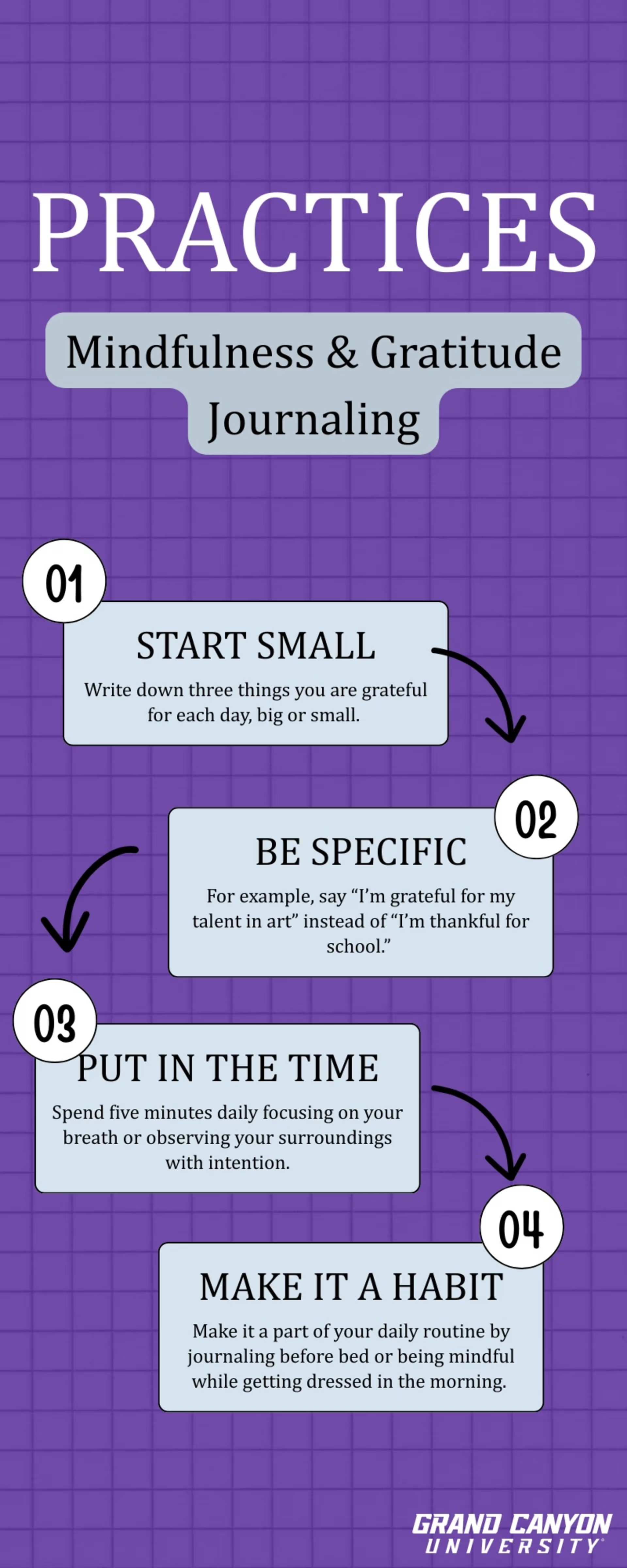
Gratitude journaling and mindfulness are two of the most effective methods for improving mental health.(See disclaimer 6) These practices can help shift attention away from stress and negativity, allowing individuals to concentrate on what truly matters.(See disclaimer 6)
These practices together help reduce stress and anxiety by calming the nervous system and promoting emotional regulation. They also boost happiness by increasing positive emotions and overall life satisfaction. Additionally, these practices encourage reflection, allowing individuals to view challenges as opportunities for growth.(See disclaimer 6)
Tips to Try:(See disclaimer 6)
Strength-based Exercises and Goal Setting
Strength-based exercises and goal setting empower individuals to recognize their unique abilities and use them to achieve meaningful objectives.(See disclaimer 11 )This approach can build confidence and motivation while fostering a sense of purpose. These interventions not only can improve performance but also enhance overall well-being by aligning daily actions with personal values and aspirations.(See disclaimer 11 )
Focusing on strengths can enhance self-confidence and reinforces a positive self-image.(See disclaimer 11 )Goal setting provides the structure and clarity needed to navigate uncertainties, while the combination of strengths and actionable goals can foster sustainable growth and long-term fulfillment.(See disclaimer 12)
Tips to Try:(See disclaimer 11,12)
Criticisms and Limitations of Positive Psychology
While positive psychology has gained popularity, it faces criticisms, including misconceptions that lead to unrealistic expectations. Its universal application can be challenging due to cultural and individual differences.(See disclaimer 5 )Acknowledging these issues can provide a more balanced view of its role in mental health.
Common Misconceptions About Positive Psychology
Positive psychology is often misunderstood as simply “thinking happy thoughts” or ignoring negative emotions. This field does not promote toxic positivity or the dismissal of struggles; instead, it seeks to complement traditional psychology by encouraging resilience and well-being while also addressing mental health issues.(See disclaimer 5)
Key misconceptions include:(See disclaimer 3,4,5)
Challenges in Applying Interventions Universally
While positive psychology interventions can be effective, they are not a one-size-fits-all approach. Cultural values, socioeconomic factors and individual differences all influence how these strategies are applied in practice.(See disclaimer 4) For instance, gratitude exercises may feel unnatural in cultures that prioritize humility, and goal-setting techniques may need to be adapted for collectivist societies.
Key challenges include:(See disclaimer 4)
The Future of Positive Psychology
Positive psychology is extending its impact beyond individual well-being to areas like education, workplace culture and technology. Researchers are working to make its principles more accessible and personalized, focusing on innovation through science and data to promote resilience and global flourishing.
Emerging Research and Trends
Recent studies in positive psychology are focusing on how gratitude, optimism and mindfulness affect brain function and emotional regulation. Digital tools facilitate practices such as journaling and mindfulness, making it easier for individuals to adopt positive habits.(See disclaimer 5)
Key trends shaping the future include:(See disclaimer 5)
Integration with Technology and Digital Mental Health Tools
Technology is transforming positive psychology interventions through digital platforms, mobile apps and AI tools, making practices like gratitude journaling and mindfulness more accessible.(See disclaimer 5) This evolution can allow for engagement in well-being activities anytime, featuring reminders and personalized recommendations.
Key benefits include:(See disclaimer 5,13)
Discover the Power of Positive Psychology
Positive psychology offers practical tools and research-backed strategies that can help individuals build resilience, enhance well-being and lead meaningful, purpose-driven lives.(See disclaimer 3) Techniques such as gratitude journaling and strength-based goal setting can make a real difference in everyday life as well as in professional mental health practice.(See disclaimer 5)
If you find the potential of positive psychology inspiring and you wish to deepen your understanding, consider pursuing your education through Grand Canyon University’s master’s programs in psychology. At GCU, we combine academic excellence with an experiential approach, which can prepare graduates to make a difference in the fields of psychology and mental health counseling.
Help Shape the Future of Psychology
Explore GCU's psychology programs and gain the skills to help others.