


Biology Degrees
What Is a Biology Degree?
A biology degree is an undergraduate or graduate program focused on the study of living organisms and biological systems. Biology students may study cellular and molecular biology, genetics, anatomy and physiology, microbiology and ecology while developing skills in scientific inquiry, laboratory methods, research and data analysis.
Biology majors can pursue areas of study aligned with different academic and professional interests. Depending on the program you choose, you may study biological sciences, prepare to teach biology at the secondary level or explore pre-health coursework designed to support preparation for further education in medicine, dentistry, pharmacy, veterinary medicine or other health-related fields. At GCU, biology degrees are offered at the bachelor’s and master’s levels, including programs and emphases designed around biological sciences, education and pre-health studies.

What Are the Different Types of Biology Degrees and Majors?
When exploring biology majors, explore programs focused on biological sciences, biology education or pre-health studies. Consider your interests, preferred coursework and plans after graduation as you compare your options.

Biology education programs combine studies in the biological sciences with education coursework that can help prepare you to teach biology or deepen your knowledge as an educator. Coursework may explore biological concepts alongside teaching methods and instructional practices.

Pre-health biology can help you build a foundation in the biological sciences while completing coursework relevant to further study in a health profession. Areas of emphasis may include medicine, dentistry, pharmacy, physician assistant studies or veterinary medicine.

Biological sciences programs examine living organisms and biological processes from molecular and cellular levels to larger biological ecosystems. Areas of study may include genetics, microbiology, sustainability, conservation and ecology, with an emphasis on scientific inquiry, laboratory-based learning and fieldwork.
Biology Degree Programs by Degree Level
Bachelor’s Degrees in Biology
Undergraduate biology programs can help you build a foundation in the biological sciences while pursuing an area of study that aligns with your academic goals. Explore bachelor’s degrees in biology focused on biological sciences, molecular and cellular biology, secondary education or pre-health areas such as pre-medicine, pre-dentistry, pre-pharmacy, pre-physician assistant and pre-veterinary medicine.

Master’s Degrees in Biology
Graduate biology programs provide opportunities to examine advanced concepts in the biological sciences while building upon your previous education. The Master of Science in Biology with an Emphasis in Education combines graduate-level biology coursework with an emphasis on teaching biological concepts, making it an option for those interested in expanding their knowledge of biology and biology education.

Biology Pathways to a Master’s Degree
For qualified students who are ready to begin graduate-level study, we offer a pathway into the Master of Science in Biology with an Emphasis in Education. This option allows eligible students to begin applicable master’s-level coursework while completing their undergraduate degree and continue into the graduate biology program after meeting the applicable requirements.

Explore Degrees
10 Matching Degrees








How To Choose a Biology Degree
To choose a biology degree, consider your academic and career goals, the biology subjects you want to study and the type of laboratory or research experience you want. Compare programs by their scientific focus, coursework and intended outcomes. For example, biological sciences may offer a broader study of biology, while pre-health programs align coursework with further study in healthcare fields and biology education programs combine biology with teaching and education coursework.
The right biology degree depends on your intended next step, so review the curriculum and any graduate, professional, certification or licensure requirements associated with your goals before choosing a program.
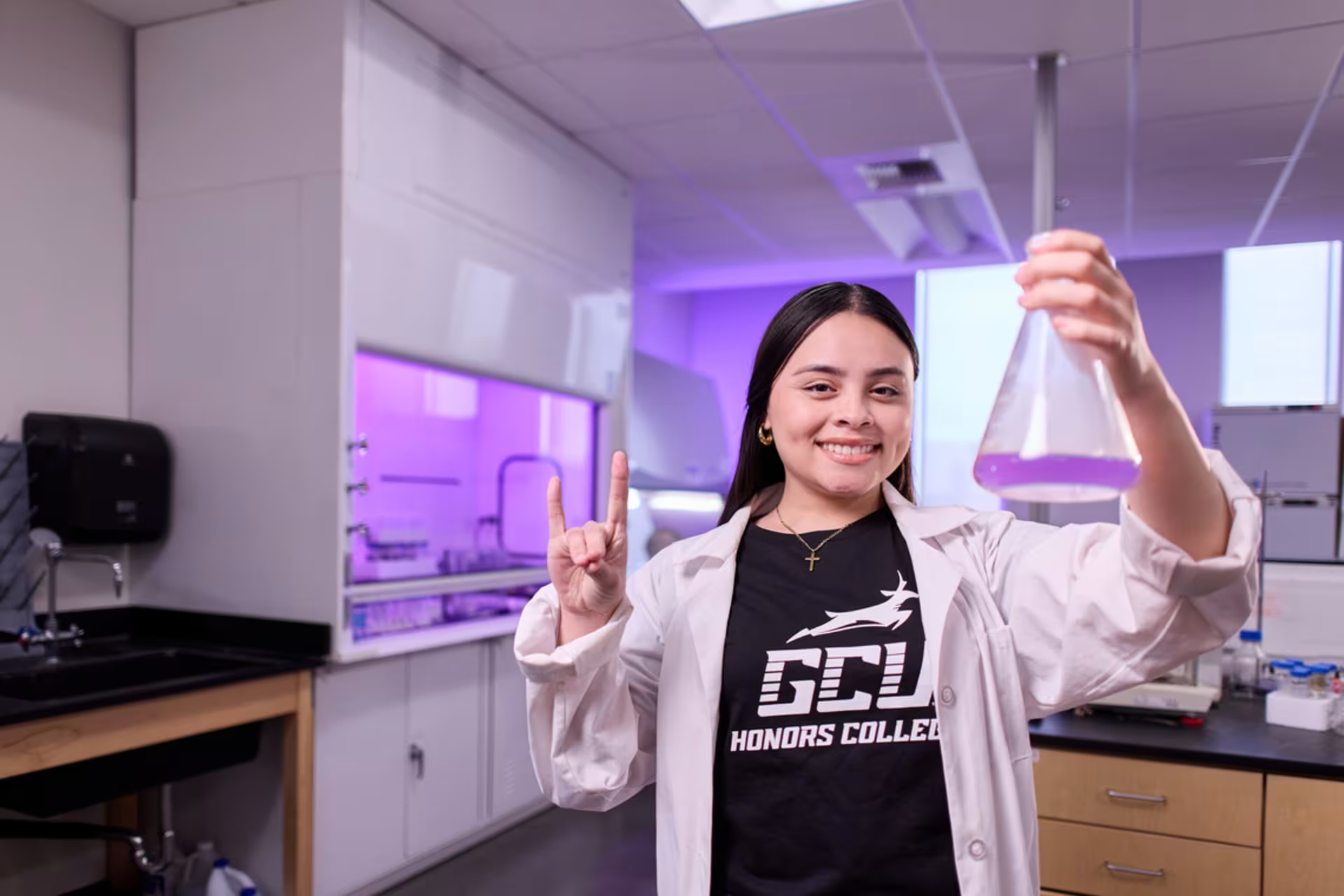
A Biology Graduate’s Experience

"The opportunities that I've had through GCU have just really pushed me to be at the top of my field, but also to experience everything that's around me, like mission trips and spending time with people and forming relationships, and I'm really excited to apply that to medicine later on. I think if someone was considering a degree in biology but weren't really sure about it, I would encourage them, number one, go for it."
"The opportunities that I've had through GCU have just really pushed me to be at the top of my field, but also to experience everything that's around me, like mission trips and spending time with people and forming relationships, and I'm really excited to apply that to medicine later on. I think if someone was considering a degree in biology but weren't really sure about it, I would encourage them, number one, go for it."
What Can You Do With a Biology Degree?
A biology degree can support career opportunities in scientific research, laboratory settings, education and related fields. Potential science career paths vary depending on your degree level, area of study, professional experience and career goals. Some occupations may require graduate education, professional experience, certification or state licensure in addition to a biology degree.
Career paths associated with various biology degrees may include:
Natural sciences managers
As a natural sciences manager, you would plan, supervise and coordinate scientific research and other activities in fields such as the life sciences. These professionals typically begin their careers as scientists before moving into management positions.
Biological scientists
Biological scientists conduct research and investigate biological processes and living organisms in areas of the biological sciences not classified within another specific U.S. Bureau of Labor Statistics (BLS) occupation.
Biological technicians
These technicians assist biological and medical scientists with laboratory work by preparing experiments, operating laboratory equipment and collecting and analyzing biological samples and data.
Postsecondary biological science teachers
These educators teach courses in biological sciences at colleges and universities and may conduct research in addition to their teaching responsibilities. A master’s degree or higher is a requirement to teach at this level.
Secondary school teachers
After meeting licensure requirements, you may consider teaching academic subjects at the secondary level. Those who teach biology typically combine their knowledge of the subject with teaching methods and must meet applicable state requirements for public school teachers.
Median annual wage for natural sciences managers as of May 2025(See disclaimer 1)
Projected job growth for natural sciences managers from 2025 to 2035(See disclaimer 2)
Pursue Your Biology Studies Online or on Campus
GCU offers biology degrees with learning formats that vary by degree level and academic focus. Undergraduate biology degrees emphasize on-campus instruction, laboratory experiences and hands-on scientific exploration. Students interested in online biology degrees may choose to pursue the Master of Science in Biology with an Emphasis in Education online.

Frequently Asked Questions About Biology Degrees
Explore answers to common questions about biology degrees, including coursework, laboratory experiences, pre-health studies, career possibilities and competencies you may develop.
Is a biology degree worth it?
Do biology degrees require lab work?
What industries hire biology graduates?
Is biology a good pre-med major?
What are pre-health biology majors?
What skills do you learn in a biology degree program?
What To Expect in a Biology Program
Biology programs can combine scientific coursework with opportunities to develop research, analytical and laboratory competencies. At GCU, you can study biological concepts through the lens of a Christian worldview while considering ethical questions and the relationship between science, service and purpose.
As you progress through your studies, you can also access College of Natural Sciences student resources designed to support your academic experience. GCU is an institutionally accredited university, providing quality programs aimed at preparing students for the future. Review additional information on our accreditation page.
Your biology program includes:
Coursework and topics
Explore biological concepts that may include cellular and molecular biology, genetics, anatomy and physiology, microbiology, ecology and other areas of the biological sciences. Specific coursework varies by biology degree and area of study.
Skills you can build
Develop competencies such as scientific inquiry, critical thinking, research, data analysis, problem-solving and scientific communication through your coursework and laboratory studies.
Online learning format
Depending on your degree, you may have the opportunity to complete biology coursework through GCU’s online learning environment. Laboratory and other hands-on requirements vary by program, so review the format and requirements for your specific degree.
Lab experience
Apply scientific concepts through laboratory experiences that may involve conducting experiments, using scientific equipment, collecting and analyzing data and documenting your findings. The type and extent of laboratory work vary by biology program.
Student support resources
Access academic resources designed to support your studies in the College of Natural Sciences. Available resources and services can help you navigate your academic experience and engage with your field of study.
Accreditation and program quality
GCU is institutionally accredited by the Higher Learning Commission. Institutional accreditation evaluates the university as a whole according to established standards and individual programs may also be subject to additional requirements or standards depending on the field.
Biology Degrees Cost and Savings
Explore tuition information and available financial aid resources to better understand the potential costs associated with pursuing your biology degree.
Discover Your Financial Options
The cost of a biology degree can vary based on factors such as your program, degree level and learning format. As you compare biology degree programs, consider tuition and other applicable educational expenses as well as financial aid and scholarship opportunities for which you may qualify.
Ways To Save
Your education is an important financial investment, and there are several ways to help manage costs while earning your degree. GCU’s university counselors are available to help you explore available options and provide personalized guidance on your estimated cost of attendance.
Complete the Free Application for Federal Student Aid (FAFSA) annually to determine eligibility for federal grants and student loans. Since some aid is awarded on a first‑come, first‑served basis, GCU recommends submitting the FAFSA as early as possible after Oct. 1 to maximize funding opportunities.
If you’ve earned college credits from another institution, you may be able to complete your degree sooner at GCU by transferring those credits. Submit the Lopes Unofficial Credit Evaluation form, then connect with a university counselor who can provide you with personalized guidance.
You may be able to reduce your college costs by applying for GCU’s on-campus or online student scholarships. We invite you to explore available institutional scholarships and determine which opportunities you may be eligible for. GCU also encourages students to seek out third‑party scholarships and grants.
What Are the Admission Requirements for a Biology Program?
Admission requirements for biology programs vary by degree level and program. Undergraduate applicants should review GCU’s requirements for undergraduate admission, while students considering graduate biology programs should review the applicable graduate admission requirements. Additional requirements may apply depending on the biology degree you choose.
Review our admission requirements to determine the criteria and application steps associated with your intended biology program.
You can apply to a degree program at GCU in just three simple steps. Your university counselor is standing by to assist you with any questions about the application process.
It starts with selecting the program that aligns with your goals from one of GCU's 380+ academic programs — from undergraduate degrees to post-master’s certificate programs to doctoral degrees.
Pick your program
Explore our on-campus, online or evening cohort options under the Degree Programs page to find the right program for you.
Complete our online application
Your university counselor will direct you to the online application. Fill in all required information and submit the form.
Submit supporting documents
Submit your official transcripts and any relevant test scores, and confirm with your university counselor that all forms for your desired program are submitted.
Explore More About Biology Degrees
Continue exploring the biological sciences as you consider your education and career goals. Learn about different types of biology degrees and majors, potential career paths and factors to consider when deciding whether a biology degree aligns with your interests.



Explore GCU’s biology degree programs in biological sciences, pre-health and biology education. Compare areas of study and available degree options to find a program aligned with your academic and professional goals.
- The earnings referenced were reported by the U.S. Bureau of Labor Statistics (BLS), Natural Sciences Managers, as of May 2025, retrieved September 2026. BLS calculates the median using salaries of workers nationwide with varying levels of education and experience. It does not reflect the earnings of GCU graduates as natural sciences managers, nor does it reflect the earnings of workers in one city or region of the country or a typical entry-level salary. Median income is the statistical midpoint for the range of salaries in a specific occupation. It is very unlikely that a median salary will reflect an entry-level salary. It represents what you would earn if you were paid more money than half the workers in an occupation, and less than half the workers in an occupation. It may give you a basis to estimate what you might earn at some point if you enter this career. Grand Canyon University can make no guarantees on individual graduates’ salaries. Your employability will be determined by numerous factors over which GCU has no control, such as the employer the graduate chooses to apply to, the graduate’s experience level, individual characteristics, skills, etc. against a pool of candidates.
- Data shown is effective August 2026, which can be found here: U.S. Bureau of Labor Statistics, Occupational Outlook Handbook, Natural Sciences Managers, retrieved September 2026.
- U.S. Bureau of Labor Statistics. (n.d.). Field of Degree: Biology. Occupational Outlook Handbook. Retrieved September 2026.
Approved and verified accurate by the Dean of the College of Natural Sciences on Oct. 16, 2026.