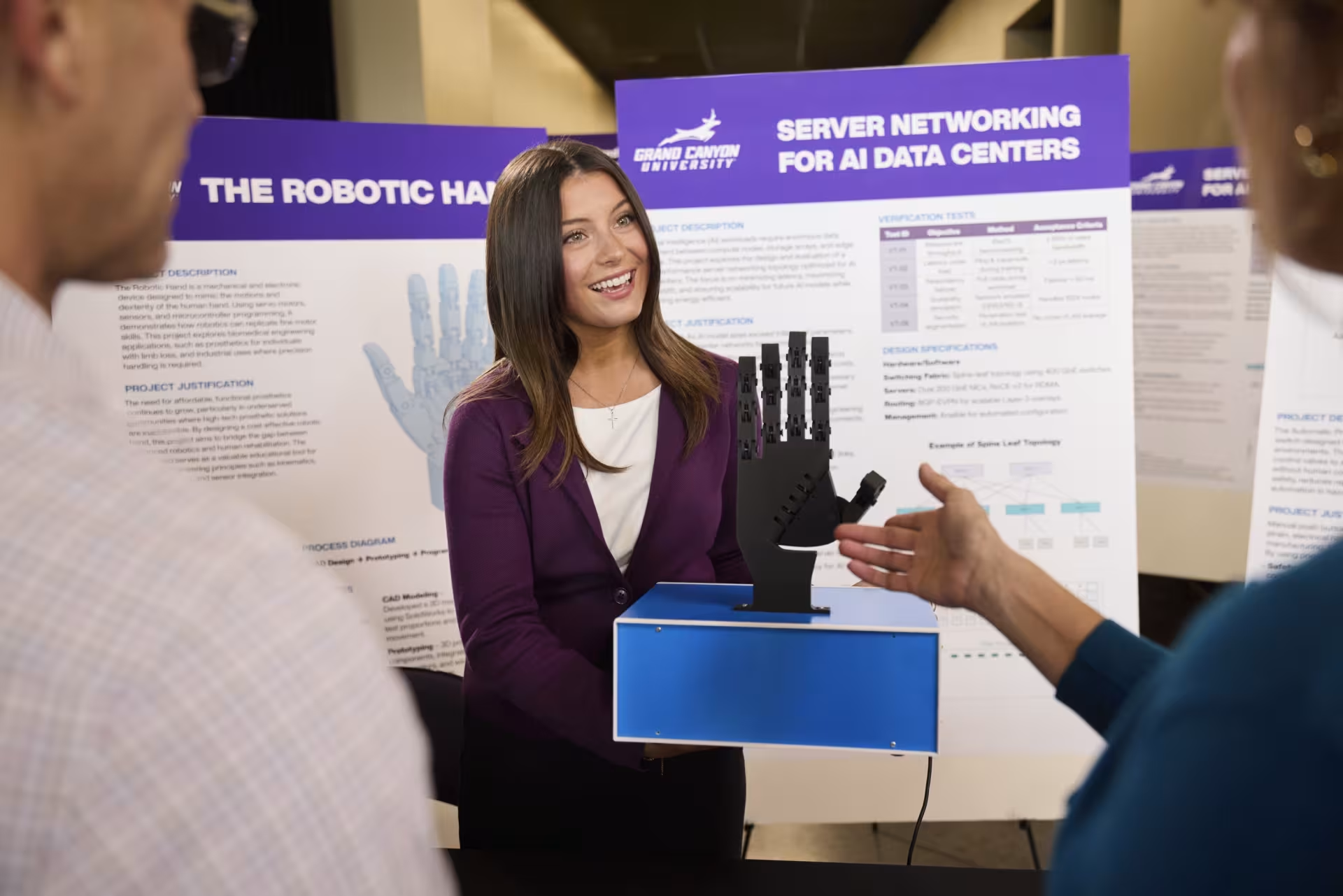

Many students exploring the engineering and computing fields come across two popular majors that sound similar but lead to different career paths: computer science (CS) and software engineering (SE). To help clarify the differences, we spoke with faculty members in the College of Engineering and Technology at Grand Canyon University and asked them to explain the differences while also answering the most common questions students have about these degrees.
What Is the Difference Between Computer Science and Software Engineering?
The main difference between computer science and software engineering lies in focus: computer science emphasizes the theory and foundations of computing, while software engineering centers on designing, building and maintaining software systems used in the field. Choosing the right one depends on whether you’re more interested in understanding how computing works or applying those concepts to creating scalable products.

"Software engineering focuses on building complete, real-world systems from start to finish, while computer science focuses on understanding how computing works. At GCU, we place a strong emphasis on embedded systems and Internet of Things (IoT) devices, where students write software that interacts directly with hardware, including sensors, microcontrollers and edge devices.” — Bill Hughes, program chair and program lead of software engineering, College of Engineering and Technology
“Computer science and software engineering both attract students with strong analytical talent, offering two powerful pathways into computing  careers. Computer science focuses much more on the why things work the way they do and how we can improve performance … and prove it mathematically. Software engineering is more focused on how to get things done.” — Dr. Isac Artzi, associate professor, College of Engineering and Technology
Because both majors involve coding, technology and problem-solving — and often lead to similar job titles — the distinction can feel confusing at first. However, their academic approaches and career preparation differ in important ways. Understanding these differences can help you choose the program that best aligns with how you like to think, build and work.
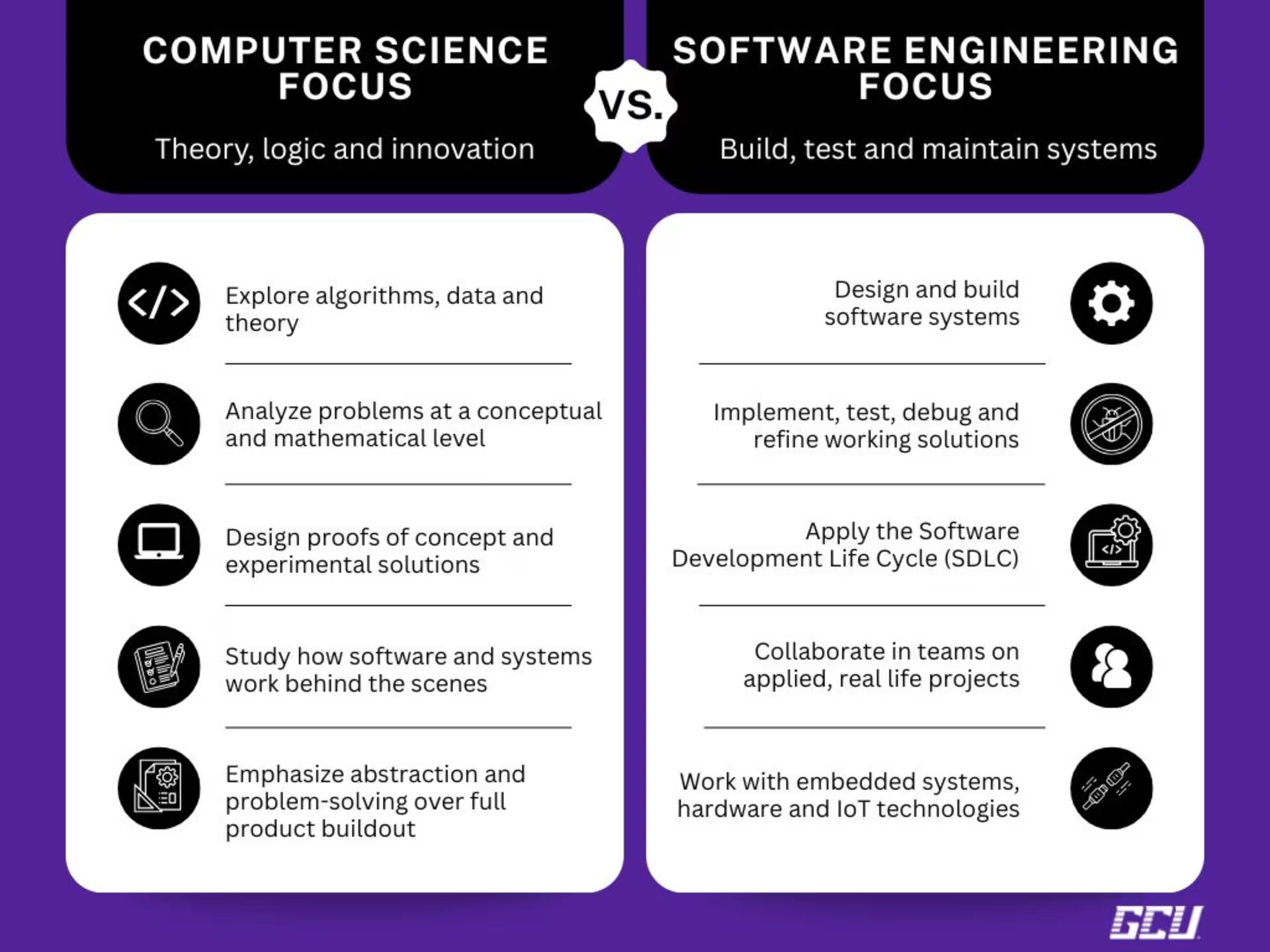
This side-by-side view highlights the practical focus of each discipline and how its roles typically show up within technical teams.
What Is Computer Science?
Computer science is the study of computation, algorithms, data and the theoretical foundations behind how computers work. Instead of focusing only on how to build software, it explores why technology works the way it does and how problems can be solved more efficiently using computers. This major can prepare you to break down complex problems and design solutions that can scale as systems grow.
We Asked GCU Faculty: Why Should I Choose Computer Science?
"I believe computer science fits students who are deeply fascinated by math, science and exploring ideas at a conceptual level. These learners often enjoy developing proofs of concept and moving on to the next big question rather than focusing on building full end products."
In simple terms, computer science is about learning how to think like a computer problem-solver. If you enjoy understanding how things work behind the scenes, solving puzzles or figuring out the smartest way to approach a challenge, computer science may be a good fit. It leans more toward theory, abstraction and innovation, making it ideal for students interested in shaping the future of technology — not just using today’s tools.
What Is Software Engineering?
Software engineering focuses on applying engineering principles to design, build, test, deploy and maintain software systems. Rather than just learning how code works, students will explore how to turn ideas into real, usable products that people and businesses depend on. The emphasis is on creating software that is reliable, scalable and able to evolve over time.
We Asked GCU Faculty: Why Should I Choose Software Engineering?
"I encourage students to ask themselves: do you enjoy designing systems, working with embedded devices, building IoT solutions and walking a project through every phase of development? If yes, software engineering may be a good match — especially at GCU, where applied learning is central to the curriculum. Software engineering projects frequently require students to plan, design, implement, test and refine a system, reinforcing both technical skills and professional engineering habits."
This means learning how software is built in the field. If you like hands-on projects, working in teams and seeing something you created being used by others, software engineering may feel more natural. The field emphasizes practical implementation, testing and long-term maintenance — skills that directly mirror how software is developed in professional workplaces.
Job Growth and Salary Comparison: CS vs. SE
Both fields offer strong career prospects. Salary ranges vary by specialty, employer and experience, but overall earnings are comparable. As of May 2024, the median annual wage was $155,020 for computer hardware engineers(See disclaimer 1 )and $140,910 for computer and information research scientists,(See disclaimer 2) according to the U.S. Bureau of Labor Statistics (BLS).
Employment of computer and information research scientists is projected to grow 20% from 2024 to 2034, much faster than the average for all occupations.(See disclaimer 3) During the same timeframe, employment of computer hardware engineers is projected to grow 7%, also much faster than average.(See disclaimer 4)
Comparison of Key Skills and Focus Areas
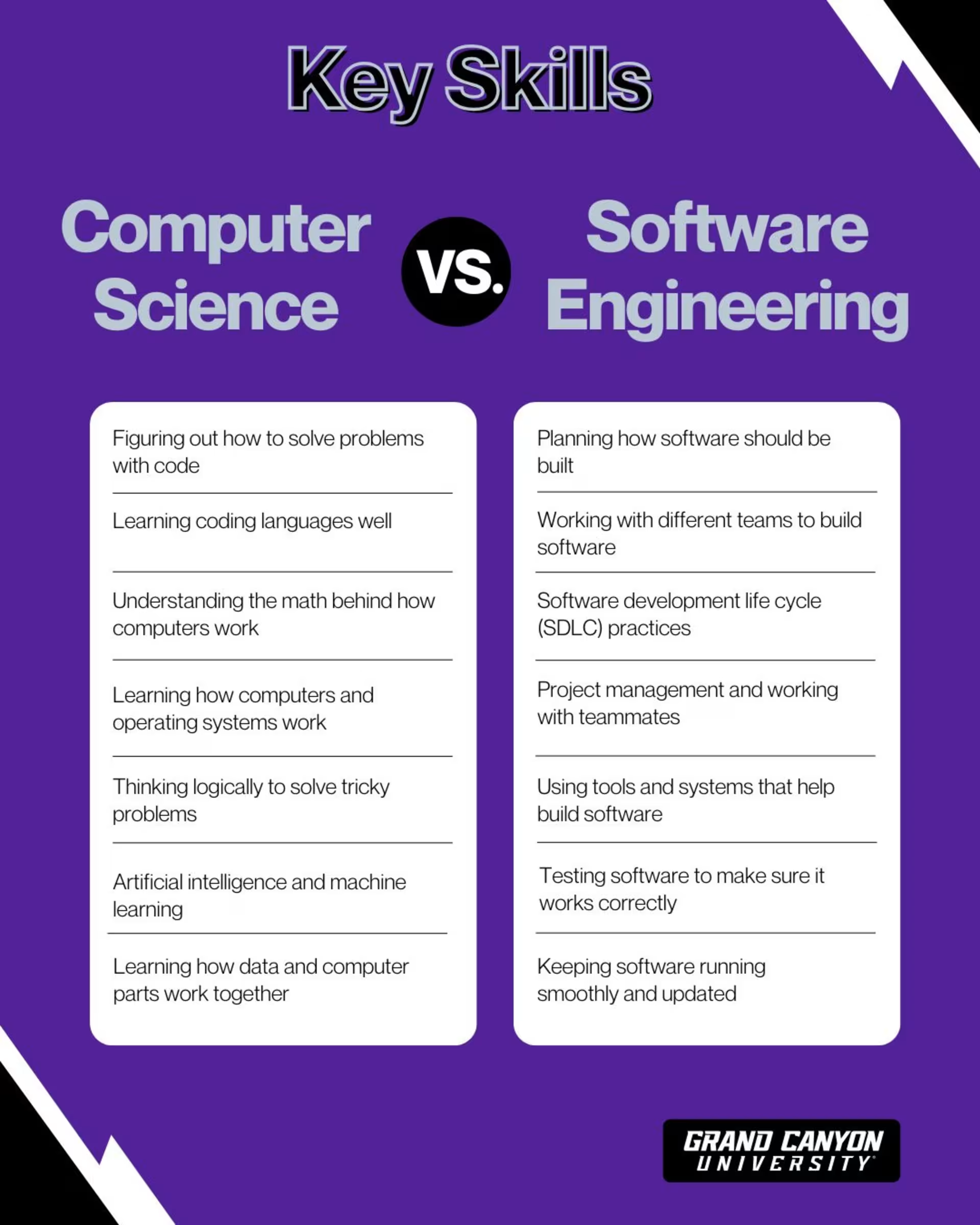
While computer science and software engineering share many foundational skills, students develop those skills in different ways and for different purposes. The comparison below highlights how each major emphasizes distinct strengths that shape how graduates approach problems and careers.
How Does GCU’s Hands-On, Project-Based Approach Support Student Learning?
According to Mr. Hughes, “GCU’s hands-on, project-based approach is designed to reflect how software is developed in professional environments. We focus heavily on the Software Development Life Cycle (SDLC), giving students repeated opportunities to work through each stage rather than learning concepts in isolation.”
He goes on to say, “Working through full development cycles helps my students think holistically — considering design choices, collaborating across stages and applying real world engineering practices.” This is especially valuable when working with embedded hardware and IoT devices, where practical iteration deepens understanding of how software and hardware interact.
Understanding the Focus: Big Picture Thinking vs. Hands-On Building
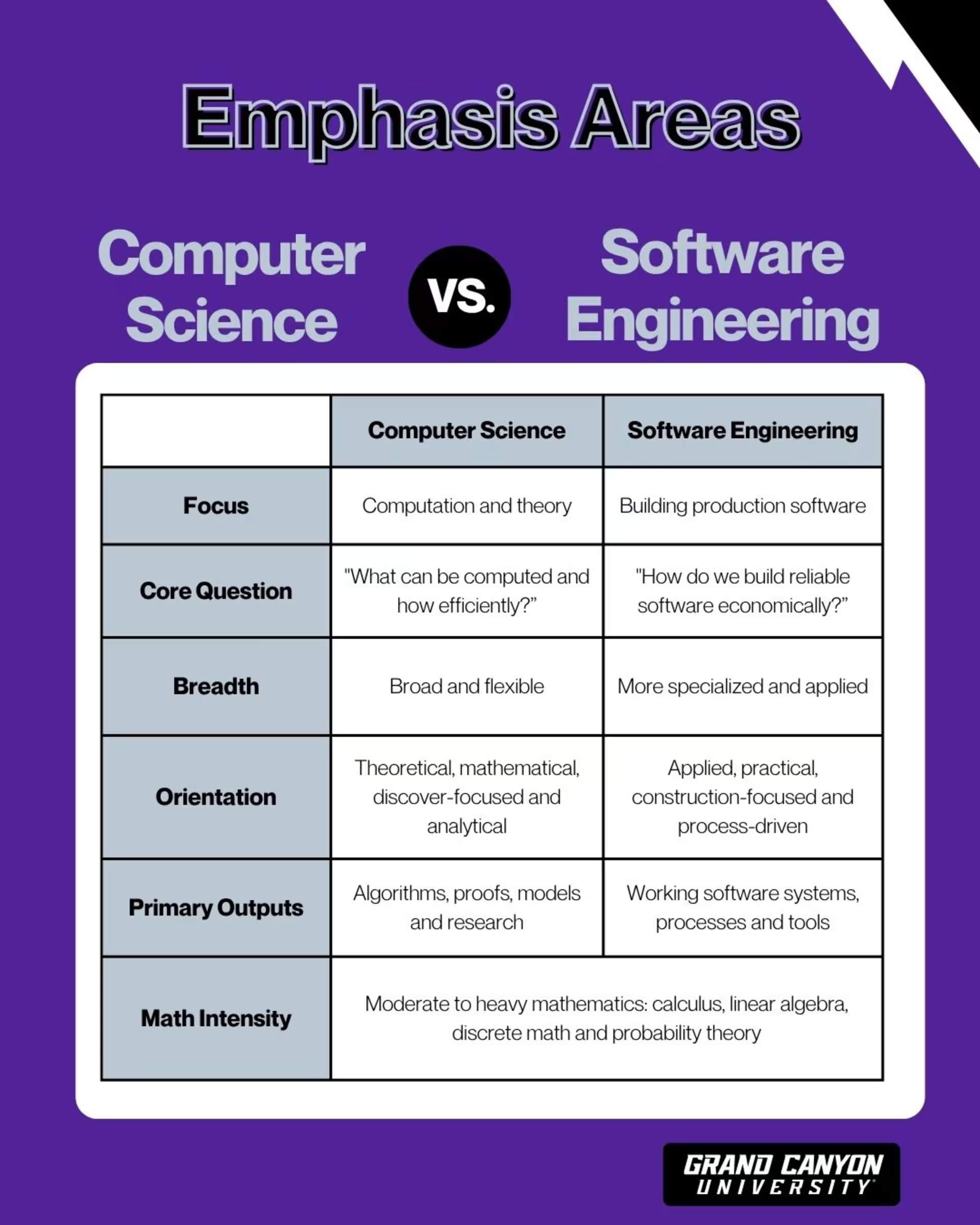
This section breaks down the main differences in focus and emphasis between the two majors. It will help you understand whether you’re more interested in broad, big-picture ideas or hands-on, practical work building real software.
Why This Comparison Matters for Your Career
Choosing between computer science and software engineering is more than just a title; it can directly influence how you learn to approach problems and think about technology. Each major teaches students differently, shaping whether you’ll focus more on abstract concepts, applied design or a balance of both.
Your choice will also affect the types of roles you’ll be best prepared for after graduation. Some careers value deep theoretical knowledge and adaptability, while others prioritize hands-on development, teamwork and structured processes. Although both degrees can lead to software-related careers, the path you’ll take, the mindset you’ll develop, and the kind of work you’ll do day to day can vary in meaningful ways.
"The industry typically views computer science graduates as highly capable in both theory and tools, which is why they are trusted across a wide range of coding roles. While true computer science is fundamentally a graduate-level discipline, the strong theoretical grounding from a CS bachelor’s degree still can equip graduates as developers or software engineers — highlighting the powerful but sometimes mismatched connection between academia and industry."
Is Software Engineering the Same as Computer Science? Common Misconceptions Explained
A common misconception is that software engineering is simply “applied computer science.” Dr. Artzi explains that while the two fields are closely related, software engineering is its own discipline, emphasizing engineering standards, structured development processes and building reliable software systems at scale.
GCU Faculty Advice: Which Should I Choose, Computer Science or Software Engineering?
To help students think through their decision, GCU faculty emphasize reflecting on how you like to solve problems and what kind of work truly energizes you.
Mr. Hughes says, “I encourage students to ask themselves: do you enjoy understanding how computing works in theory or do you enjoy engineering systems that solve real problems? If you’re drawn to theory, abstraction and mathematical foundations, computer science may be the right fit.”
He adds, “if you love designing systems, working with embedded devices, building IoT solutions and guiding a project through every phase of development, software engineering may be a better match — especially at GCU, where applied learning is central to the curriculum.”
"I encourage students deciding between the two fields to choose computer science if they’re excited by the idea of research. For those who prefer a more hands-on, industry-focused path, software engineering offers a highly practical and versatile option — especially in a shifting job market."
To support your decision with real academic insight, the information below was created using guidance from GCU faculty to help you identify which degree aligns best with your interests and career goals.
Dr. Artzi and Mr. Hughes suggest choosing computer science if you:
Dr. Artzi and Mr. Hughes suggest choosing software engineering if you:
"Software engineering students at GCU often appreciate learning how software behaves outside of a textbook, especially when it must interact with physical devices and real environments."
Choose Your Path: Find the Right Tech Degree at GCU
As you explore whether a degree in software engineering vs. computer science aligns best with your strengths and career goals, GCU offers a supportive pathway into both fields. Our technology programs are designed to help you build either the deep theoretical foundation of computer science or the practical, industry-ready skills emphasized in software engineering. Others may choose a more specialized field like software development, cybersecurity or information technology.
If you're ready to take the next step toward a future in tech, explore GCU’s College of Engineering and Technology to discover more about our computing programs and find the path that fits your ambitions.
Discover Your Ideal Computing Path
Explore GCU’s tech degree programs to find the path that aligns with your future goals.