

Biology Majors – Explore Undergraduate Degrees
Gain Practical Skills With a Biology Degree
Undergraduate biology students at GCU explore vibrant and innovative applications within their field. Throughout your STEM degree journey, you will have the opportunity to engage in hands-on learning and acquire essential technical skills. The biological and scientific research, laboratory techniques and data analysis taught in biology-focused degrees can help prepare you for professional roles in the biological sciences.
Ignite Your Intellectual Curiosity With Biology Studies
Challenge yourself as you embark on a journey that stimulates your intellect and awakens your passion for science. Through scientific research skills, practical laboratory techniques and fieldwork in biology, you will delve into the complexities of biological systems, from molecular structures to ecological interactions.
Earn Your Degree From an Accredited University
Undergraduate Admission Requirements
Prepare to Make an Impact in Various Industries
With access to lab facilities and guidance from knowledgeable faculty, undergraduate bio majors can be prepared to tackle real challenges in diverse fields such as healthcare, environmental conservation and education. Instill a lifelong desire for discovery and innovation in the biological sciences. The curriculum is designed to foster critical thinking and problem-solving skills, encouraging you to explore new ideas and contribute to scientific knowledge.
GCU’s Bachelor of Science in Biology is among the top 5 on-campus programs as of Fall 2023 enrollment.(See disclaimer 1)
Hear From Our Students
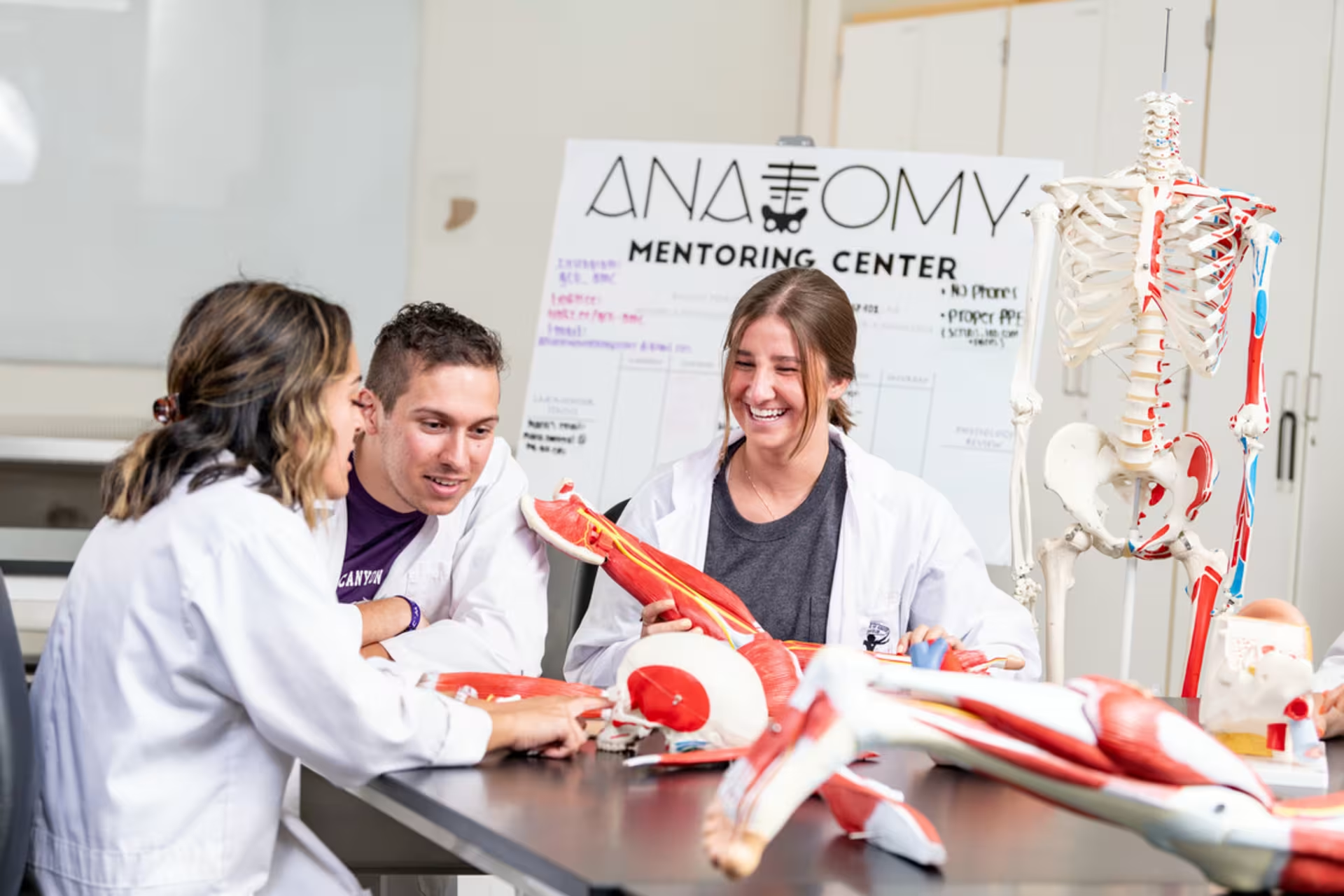
"In my first year, I joined the Mastering Anatomy Program, where I've been able to work with cadavers and perform dissections."
"In my first year, I joined the Mastering Anatomy Program, where I've been able to work with cadavers and perform dissections."
Types of Biology Degrees at GCU
At GCU, our undergraduate degrees in biology are tailored to help prepare you for your career in the field. We offer diverse program options that emphasize specialized areas within biology, helping to ensure you receive comprehensive training and skills.
Select a Focus Area for Your Bachelor’s in Biology
Undergraduate degrees in biology focus on understanding biological systems and phenomena. Emphasis programs within biology can help you hone your expertise and pursue careers tailored to your specific interests and goals in the biological sciences. Additionally, this program offers the opportunity to apply transfer credits, accelerating your progress through the curriculum.
Explore Diverse Disciplines in Biology
Our non-pre-health biology degree options encompass a range of distinct areas of focus. Each program provides an in-depth exploration of its respective field, ensuring a well-rounded understanding of the many facets of biological sciences.
Coursework for Biology Majors

During your undergraduate biology coursework, you will explore a range of fundamental subjects crucial for a comprehensive understanding of the field.
Key topics include:
Cell biology
Genetics
Microbiology
Ecology
Physiology
Biochemistry
Anatomy
Molecular biology
Research methods
Diversify Your Skills With a Minor
If your primary focus is on biology, you can still enhance your studies with additional expertise in related fields. We offer various science-related minors that can complement your biology degree, such as life and exercise sciences, biological and forensic sciences, pre-medicine and nutrition. These options can help provide valuable interdisciplinary knowledge that can help make you a more versatile professional in the biological sciences. Consult with your university counselor to explore how adding a minor can align with your academic and career objectives.

Frequently Asked Questions
If you’re looking to enter the field of biology, review some frequently asked questions and answers to gain more insight into this career path.
What can I do with a biology degree?
Are there opportunities for research as a biology major?
Is a biology degree a good foundation for medical school?
What is the job outlook for biology graduates?
Career Opportunities for Biology Majors
Students specializing in biology can explore a diverse array of career options, with opportunities depending on their specific interests and focus areas.
Some potential career paths may include:
Natural sciences manager
Biological scientist
Life scientist
Agricultural technician
Food science technician
Forensic science technician
Medical scientist
Biological technician
Estimated number of new jobs to open for life, physical and social science occupations from 2022 to 2032(See disclaimer 4)
Median annual wage for life, physical and social science occupations as of May 2023(See disclaimer 5)
Biology Student Resources
No matter your major, you will have access to valuable support and resources to assist you throughout your studies. As a biology student, you can utilize a variety of on-campus and online resources tailored to your field and focus. Additionally, the College of Natural Sciences provides specific resources designed to enhance your academic and research experiences.

Biology degrees at Grand Canyon University offer specialized focus areas to support your scientific growth. Speak with a university counselor today.
- Includes all traditional students who have a last date of attendance at least three weeks into the Fall 2023 semester.
- U.S. Bureau of Labor Statistics. (2023, Sept. 6). Field of Degree: Biology. Occupational Outlook Handbook. Retrieved July 26, 2024.
- College of Natural Sciences labs include cadaver, exercise science, forensic science and research and design program labs. This does not include labs in classroom environments.
- COVID-19 has adversely affected the global economy and data from 2020 to 2022 may be atypical compared to prior years. Accordingly, data shown is effective September 2022, which can be found here: U.S. Bureau of Labor Statistics, Occupational Outlook Handbook, Life, Physical and Social Science Occupations, retrieved July 26, 2024.
- The earnings referenced were reported by the U.S. Bureau of Labor Statistics (BLS), Life, Physical and Social Science Occupations, as of May 2023, retrieved July 26, 2024. Due to COVID-19, data from 2020 to 2023 may be atypical compared to prior years. BLS calculates the median using salaries of workers nationwide with varying levels of education and experience. It does not reflect the earnings of GCU graduates as life, physical and social science occupations, nor does it reflect the earnings of workers in one city or region of the country or a typical entry-level salary. Median income is the statistical midpoint for the range of salaries in a specific occupation. It represents what you would earn if you were paid more money than half the workers in an occupation, and less than half the workers in an occupation. It may give you a basis to estimate what you might earn at some point if you enter this career. Grand Canyon University can make no guarantees on individual graduates’ salaries. Your employability will be determined by numerous factors over which GCU has no control, such as the employer the graduate chooses to apply to, the graduate’s experience level, individual characteristics, skills, etc. against a pool of candidates.