

From schoolwork and social media to streaming and shopping, digital technology is everywhere in our daily lives. This constant connectivity can lead to stress, distraction and burnout — especially for students juggling classes and online life. A digital detox is a way to step back, reset and build a healthier relationship with technology. In this guide, you’ll learn what a digital detox is, why it matters and how it can improve your well-being.
What Is a Digital Detox?
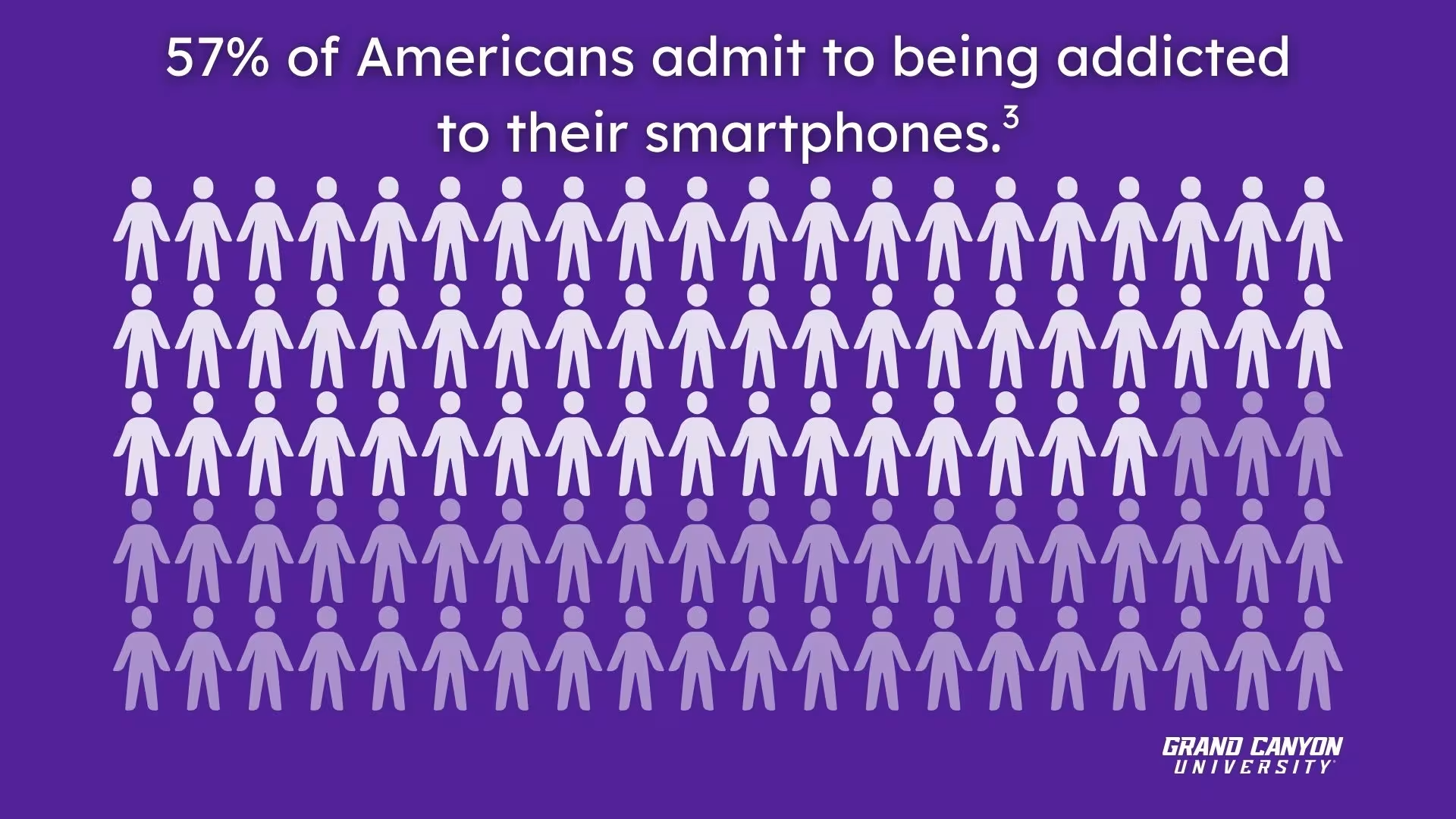
On average, Americans spend over seven hours per day on screens and check their phones nearly 100 times daily.(See disclaimer 2) The most common screen time activities for U.S. adults include watching TV/videos, gaming and social media usage.(See disclaimer 2) Screen time accumulates quickly, so many students are unaware of how much time they are spending in the digital world on a daily basis. Many platforms and smartphone applications are also engineered to maximize engagement through endless feeds and algorithms that promote attention-grabbing content. A digital detox can help you become aware of how much screen time you have each day and take control of your digital usage.
Common Misconceptions About Digital Detox
You may be wondering: What is a digital detox good for? Doing a digital detox can help you follow through with your goals to reduce screen time. Did you know that while 80% of U.S. smartphone users set personal rules to curb screen time, only about 12% actually use the built-in features designed for that purpose?(See disclaimer 4) This shows how challenging it can be to manage technology habits. Digital detoxes require thorough planning and clear goals to be successful. Simply saying “I’d like to be on my phone less” may not be sufficient to support true change or reap the benefits of a digital detox.
Some common misconceptions about digital detoxes include:
Due to the prevalence of digital technology, most people can benefit in some way from taking a break and resetting their habits.
Benefits of a Digital Detox
A digital detox can help you reset your mind and refresh your body. Here are some of the benefits of digital detox for mental health and physical well-being.
Reduced Stress and Anxiety
Constantly checking your phone or scrolling social media feeds may contribute to higher stress levels. In fact, around 23.7% of people report feeling less stress and anxiety after a digital detox.(See disclaimer 4) Unplugging from the constant stream of information can help us reset and gain awareness of how technology is impacting our mood and behavior.
Better Sleep Quality
Reducing overall blue light exposure during a digital detox can help create noticeable changes in your sleep. Engaging in digital detoxification, particularly by reducing screen time before sleep, can lead to significant improvements in both sleep quality and cognitive performance.(See disclaimer 5 )Improving your sleep quality by avoiding technology before bed can have a positive effect on your health since hormone regulation, brain health and overall energy are supported by healthy sleep cycles.
Improved Focus and Academic Performance
Removing the distraction of digital media can help you finish assignments more efficiently and have more time to dedicate to other areas of life. In a 2024 study involving 1,200 families, those who adopted device-free meal times and evening hours saw their children achieve 28% higher academic performance and a 34% boost in emotional regulation.(See disclaimer 1) Digital detoxes can help reduce disruptions and improve academic focus.
Stronger Interpersonal Connections
Scrolling isn’t the same thing as connecting. Only 46% of Americans say they often connect with close friends on social media; most interactions are passive, not social.(See disclaimer 6) Although a digital detox may initially lead to a feeling of boredom, filling this empty space with in-person activities can help you focus on strengthening your social relationships and help you feel more plugged in to your local community. Try replacing screen time with a hobby or campus activity to build real friendships.
How To Do a Digital Detox
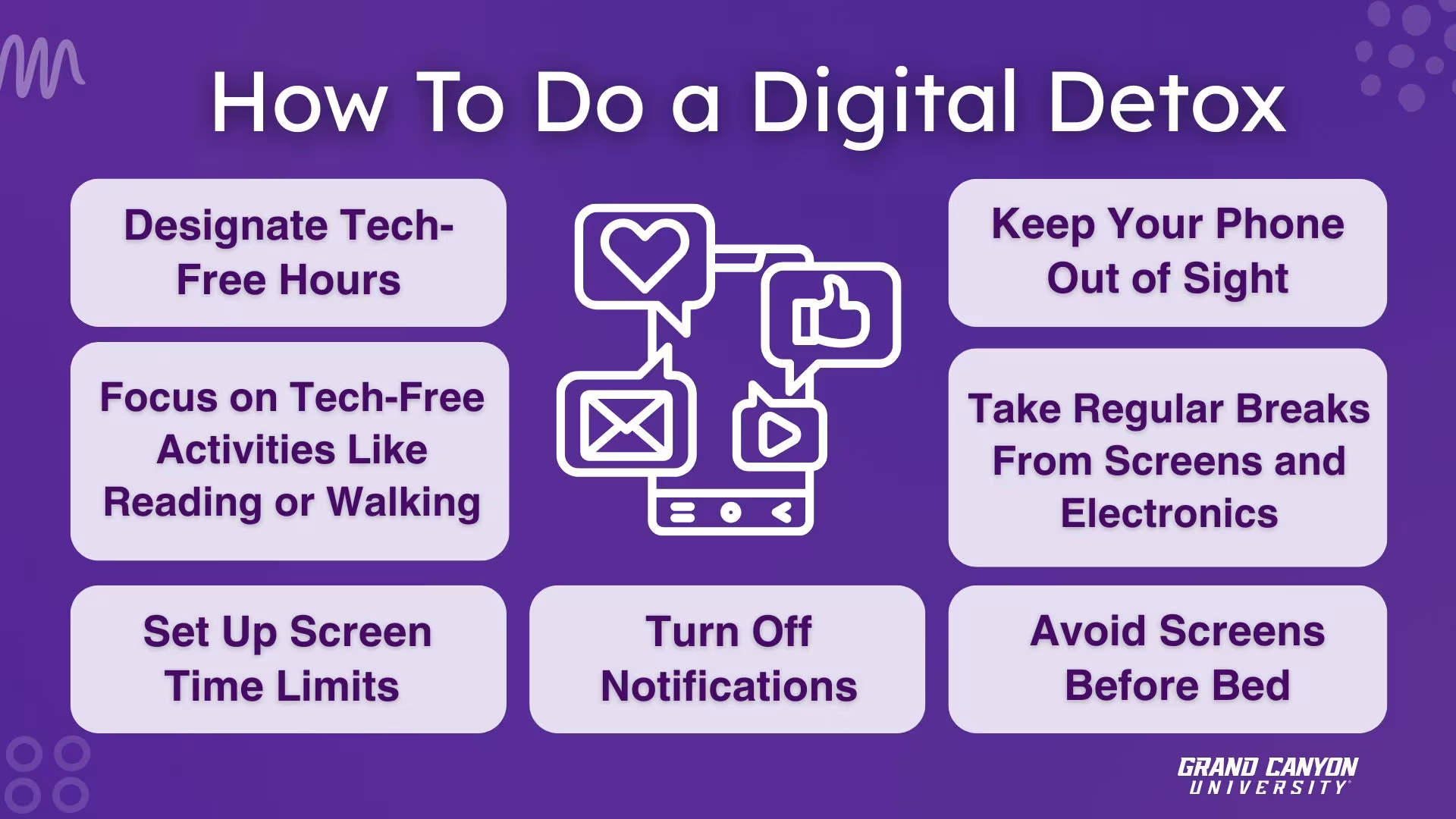
If you are ready to take control of your screen time, a digital detox can help, and there are many ways to do this. It doesn’t have to be extreme, you can start with small, realistic steps. Key components of a good digital detox include an honest assessment of your current usage, clear and realistic goals, an action plan and feedback data. Here are some tips and guidelines for a successful digital detox.
Start Small: Short Breaks
Begin with short breaks to help you build confidence and assess your digital usage. For example, turning off your phone and placing it out of sight for an hour a day can be a small win that allows you to notice how many times you reflexively reach for your phone.
Set Boundaries for Social Media and Apps
Turning off notifications or deleting apps off your phone for short periods of time can be a great first step toward changing your habits. Think about what social media apps you use the most, and which ones you would like to spend less time on.
Create Tech-Free Zones
In addition to taking a break from your phone, you can also designate an area, such as your bedroom or the gym, as your tech-free zone. You may also enjoy going on walks in a scenic location and leaving your phone at home or in your bag.
Use Tools To Track Screen Time
Most smart phones have the ability to track total screen time and app usage time. Tapping into this data can help you understand your habits and design your digital detox. Some phones can also give you alerts when you’ve reached your designated amount of screen time for the day.
Common Challenges and How To Overcome Them
Digital technology is very integrated into modern life, so there are often obstacles when trying to complete a digital detox. Planning ahead and thinking about how you are going to handle these challenges can help you stay on track to meet your goals.
Fear of Missing Out (FOMO)
Studies show teens and college students often experience high levels of FOMO, with more than 40% scoring in the moderately high range on university surveys.(See disclaimer 7) Taking a break from social media and messaging apps can cause you to worry that you’ll miss out on important conversations and updates from friends. Combat FOMO by scheduling in-person hangouts or using group chats only at set times.
Academic and Work Obligations
Taking a digital detox can be difficult when you are required to use your phone or computer for school and work. It can be helpful to keep your work or school duties confined to one device, such as a laptop, that do not have other apps installed.
To help you stay on track, write yourself a note outlining your academic or work goals before opening your computer. Checking off each goal as you go can help you from getting distracted.
Staying Consistent
Reducing screen time can be more difficult during certain seasons over others. If you find yourself getting discouraged, try to start with more attainable goals and shape your environment to support your goals. For example, keep your phone in another room during study time or use apps that block distractions. You can also set up recurring activities in your schedule that don’t involve technology, like intramural sports or a crafting group, so that you know you have designated time each week where you won’t be on your phone.
Refresh Your Mind and Boost Your Focus With a Digital Detox
Taking time away from screens can help you create space for better focus, stronger relationships and improved well-being. Whether you start with short breaks or commit to a long-term detox, these steps can help you reset and recharge.
If you’re ready to take your personal growth even further, consider exploring Grand Canyon University’s degree programs. GCU offers a wide range of undergraduate and graduate degrees to help you achieve your academic and career goals. Learn more about how GCU can support your journey through online and on campus programs.
Start Your Journey Today
Explore GCU’s degree programs designed to help you on your educational journey.