

How To Become a Special Education Teacher
What Is a Special Education Teacher?
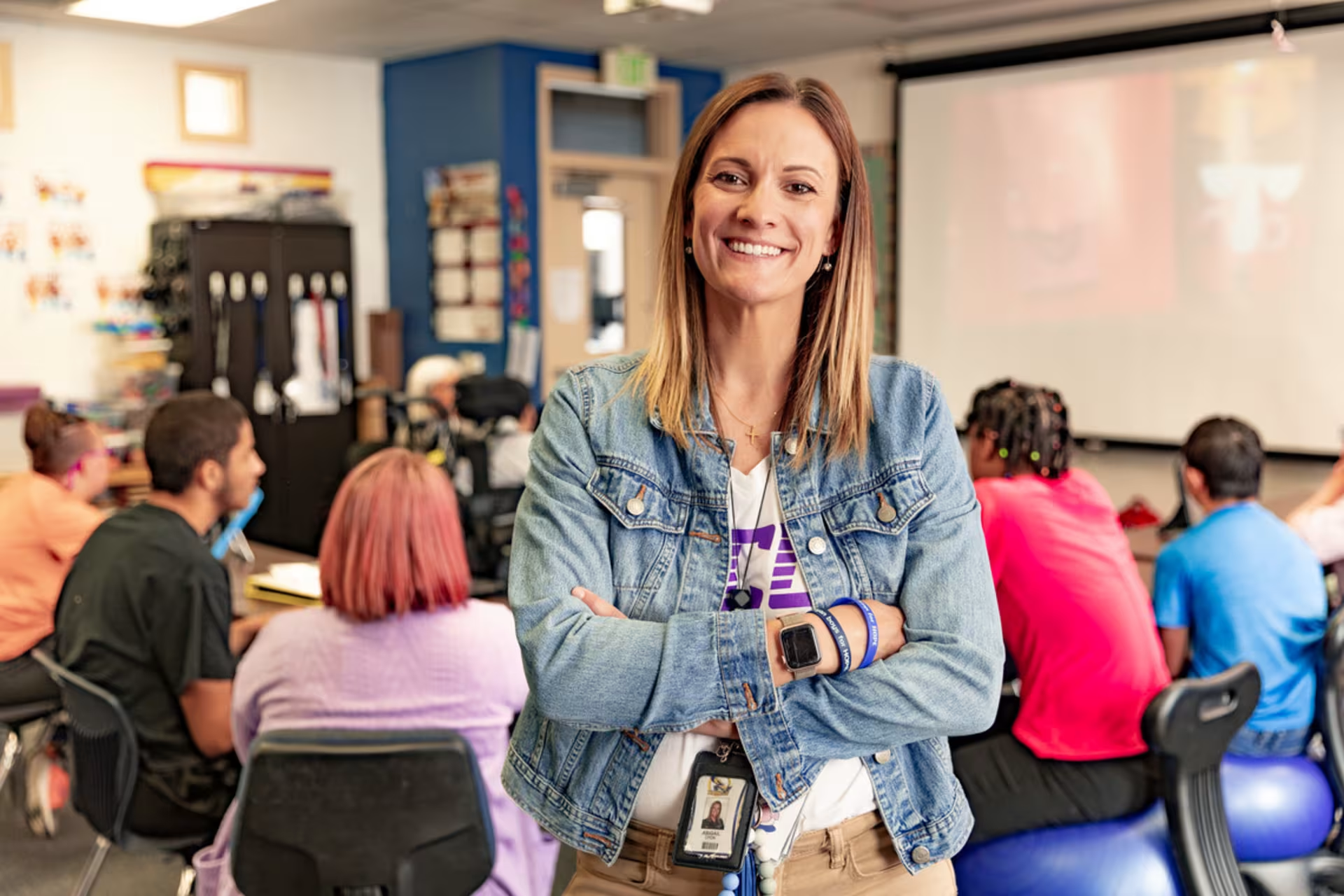
Special education teachers work with students with exceptionalities. Exceptionalities might include learning disabilities, physical disabilities or communication disorders. In this role, they help prepare students with exceptionalities for success using a range of specialized teaching methods and assistive technologies. A career in special education can be a rewarding path for those who have a desire to help children with exceptionalities reach their full potential.
Approximate number of special education teachers in the U.S. in 2024(See disclaimer 1)
What Does a Special Education Teacher Do?
Special education teachers tailor their support to their students’ capabilities and unique ways of learning. They accomplish this by working with a team of educators and key relevant parties to develop and implement an Individualized Education Program (IEP).(See disclaimer 2)
An IEP is a collaborative plan between schools, teachers and families to support a student’s academic and functional progress. In a public school classroom, most students with exceptionalities receive an IEP. When creating IEPs, the special education teacher considers students’ abilities, how they interact and what methods they are most receptive to. The IEP outlines specific individualized goals, provides structure and offers ways to increase engagement and retention.
Additional tasks of special education teachers include:
Plan lessons
Special education teachers adapt their lessons to individual students depending on their needs. They use these lessons in class, small group and one-on-one settings.
Assess students
Each child may have different educational needs, so special education teachers must assess and evaluate each student’s skills and abilities while creating their IEP.
Communicate with parents and/or guardians
These teachers communicate often with parents and/or guardians to discuss the progress their child is making and to discuss any changes to their IEP.
Supervise teaching assistants
Some classrooms may have teaching assistants or paraprofessionals that help support students through their lesson. Teachers spend time mentoring and supervising these assistants as they work with students.
Teach life skills
Special education teachers may help students to develop basic life skills that transfer outside of the classroom to help them live more independent lives.
What Experience and Education Does a Special Education Teacher Need?
Special education teachers need both education and experience to prepare for their important role in the classroom. The exact requirements may vary depending on the state in which you plan to teach, as well as whether you want to teach in a public or private school.
High School Diploma
College Degree
Student Teaching Experience
Licensure
Certifications
Graduate Degrees
Best Degrees for Special Education Teachers
There are many types of education degrees that can help you prepare to become a special education teacher. You may choose to enroll in a bachelor’s degree in special education, or in a general education degree and add a special education endorsement or certification.
The best degrees for becoming a special education teacher cover the following competencies:
Instructional strategies for students with exceptionalities
Behavior management tools and techniques
Individualized Education Plan (IEP) creation
Legal and ethical issues in special education
Classroom modifications and accommodations
Child development and pedagogy
Typical and atypical language development
Case management best practices
Student teaching for special education
GCU Recommends These Degree Programs for Special Education Teachers
14 Matching Degrees






What Skills Does a Special Education Teacher Need?
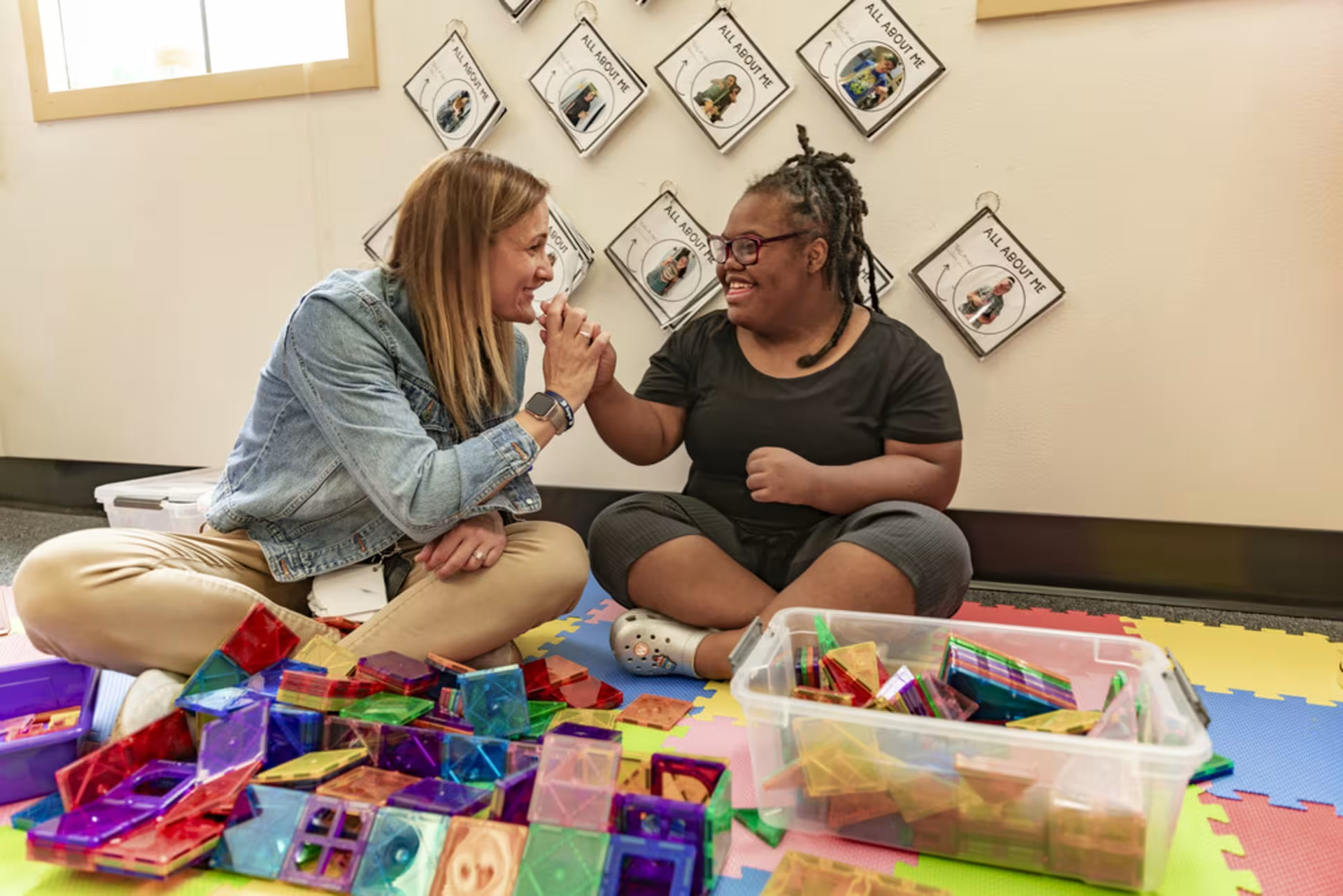
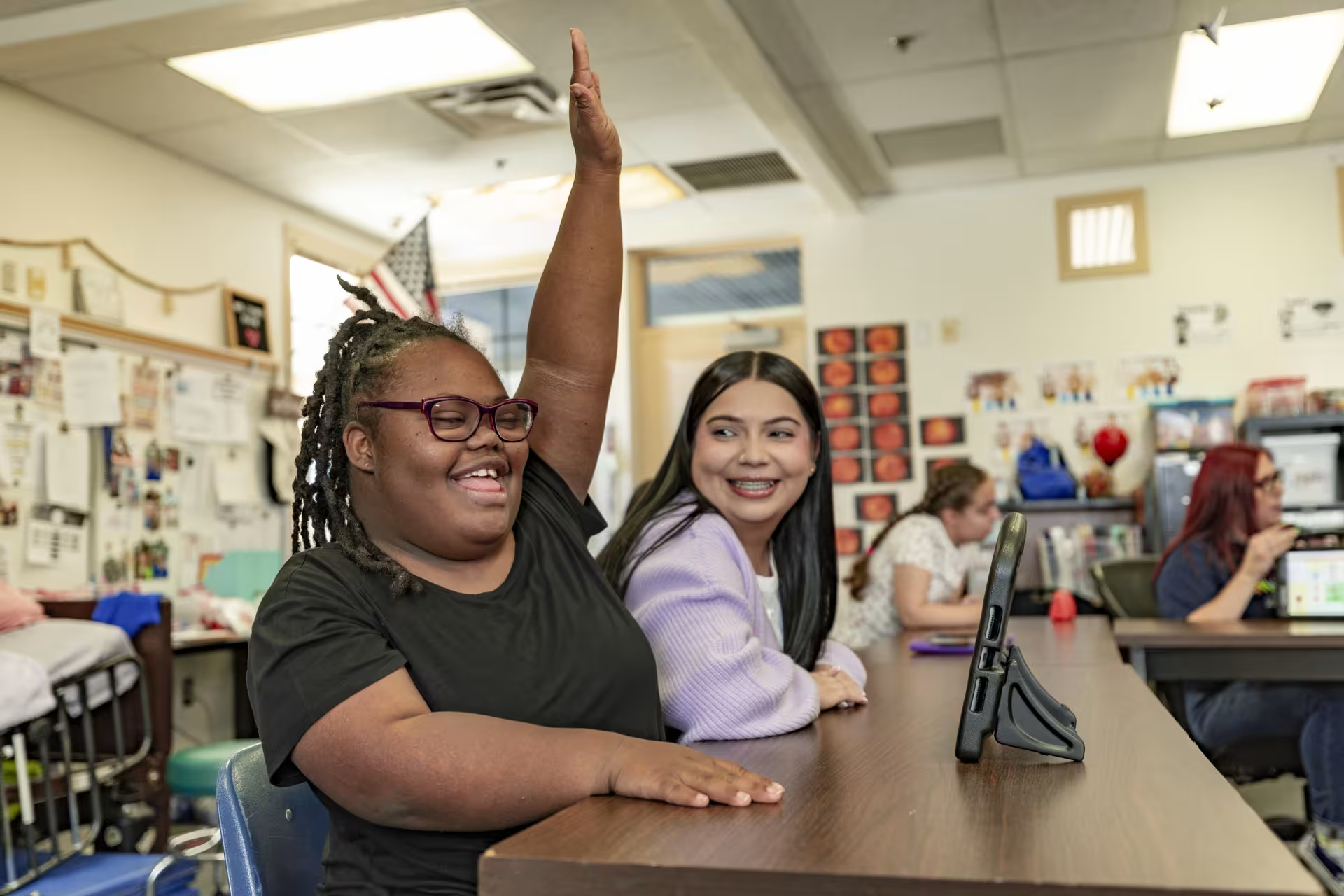
Special education teachers need strong communication, patience and empathy to support diverse learners. They must be adaptable and creative to tailor lessons to individual students and knowledgeable about special education laws and IEPs. They should be comfortable collaborating with parents and using data-driven assessment. Problem-solving and emotional resilience can help them as they create welcoming and supportive learning environments.
Here are some skills that can support your career as a special education teacher:
Patience and empathy
Interpersonal communication
Flexibility and adaptability
Knowledge of special education laws and IEPs
Assessment and technological proficiency
Behavior management
Where Do Special Education Teachers Work?
Special education teachers may find careers in a variety of settings. Some private educational organizations may also hire special education teachers.
Special education teachers may work in the following settings:(See disclaimer 6)
Public schools
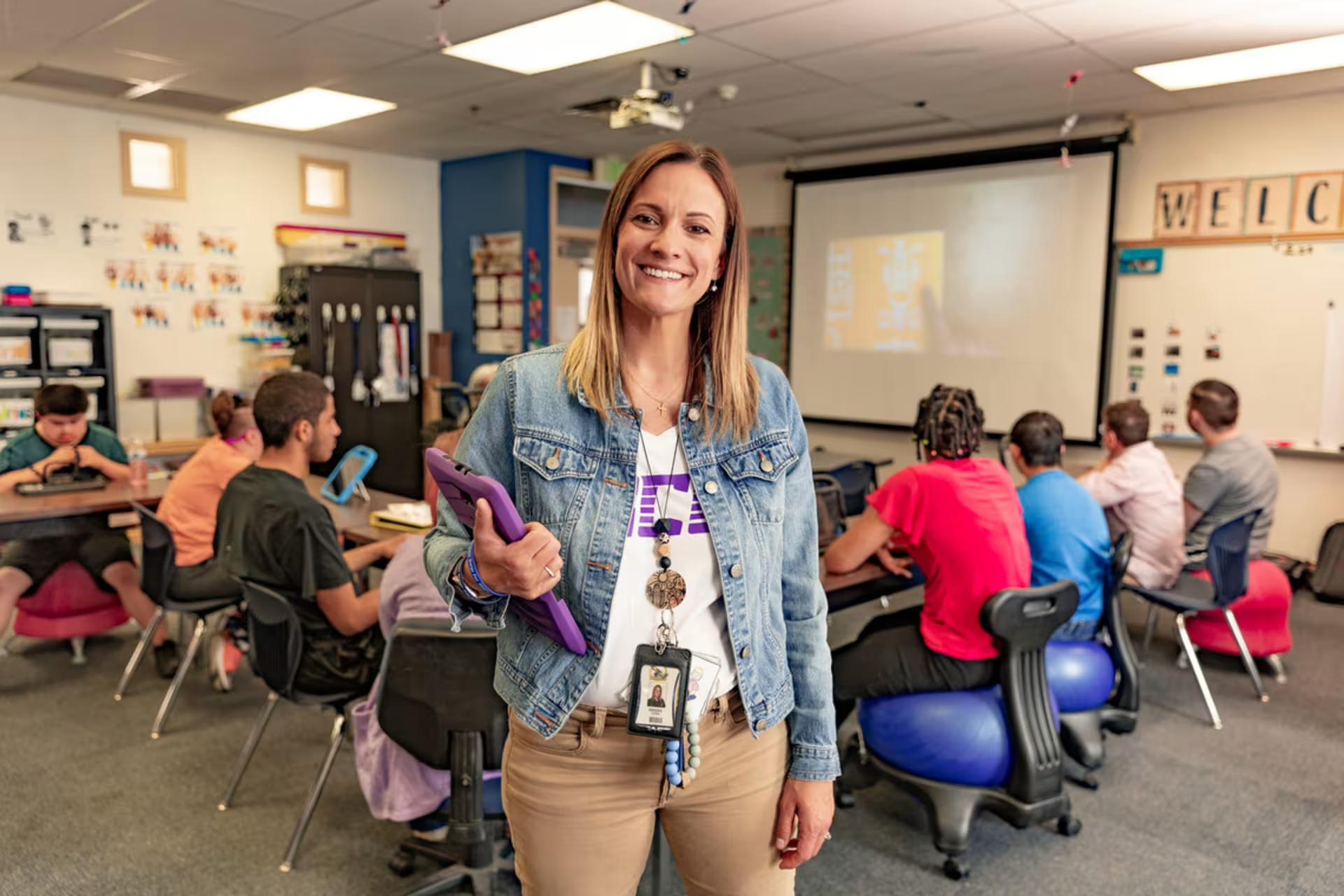
Most special education teachers work in public schools, supporting students with diverse learning needs in welcoming and specialized classrooms.
Private schools
Private schools may offer specialized programs or smaller class sizes for students requiring individualized attention.
Residential facilities
Special education teachers may work in residential facilities to provide education and life skills training for students living in care settings.
Hospitals
Hospital-based teachers help students continue their education during medical treatments and extended hospital stays.
Students’ homes
Students with significant health or mobility challenges can receive personalized education from special education teachers in their home.
Median annual wage for special education teachers in May 2024(See disclaimer 5)
Number of openings projected for special education teachers, each year, from 2024 to 2034(See disclaimer 7)

Advancement Opportunities Within Special Education Teaching
Special education teachers looking for advancement opportunities might be interested in roles including school counselor, instructional coordinator or principal.(See disclaimer 3 )These positions typically require additional degrees or certifications. You may also be interested in mentoring other teachers or becoming a lead teacher.
Explore More on Special Education Teaching
GCU’s blog covers important topics related to special education and teaching. Learn more about what it takes to become a special education teacher and the different roles you can pursue within special education settings.

Colleges and universities provide disability services that collaborate with students to ensure they receive the necessary accommodations for equal access to education. Learn more about how educators support this service.

Explore the steps and coursework involved in earning a dual degree in early childhood education and early childhood special education. There are a wide range of applications, from teaching in preschool and elementary settings to roles in advocacy, program coordination and school administration.

Learn about the benefits of earning an MEd in Special Education, including how it can prepare you for teacher licensure to support students with exceptionalities.

Earn your special education degree and become an advocate for students with exceptionalities. Apply to one of GCU’s special education programs.
- U.S. Bureau of Labor Statistics. (2025, Aug. 28). Special Education Teachers. Occupational Outlook Handbook. Retrieved January 2026.
- Council for Exceptional Children. (n.d.). Individualized Education Programs (IEPs). Retrieved January 2026.
- U.S. Bureau of Labor Statistics. (2025, Aug. 28). How To Become a Special Education Teacher. Occupational Outlook Handbook. Retrieved January 2026.
- National Association of Special Education Teachers. (n.d.). Join the Nation’s Most Qualified Special Educators. Retrieved January 2026.
- The earnings referenced were reported by the U.S. Bureau of Labor Statistics (BLS), Special Education Teachers, as of May 2024, retrieved January 2026. Due to COVID-19, data from 2020 to 2023 may be atypical compared to prior years. BLS calculates the median using salaries of workers nationwide with varying levels of education and experience. It does not reflect the earnings of GCU graduates as special education teachers, nor does it reflect the earnings of workers in one city or region of the country or a typical entry-level salary. Median income is the statistical midpoint for the range of salaries in a specific occupation. It is very unlikely that a median salary will reflect an entry-level salary. It represents what you would earn if you were paid more money than half the workers in an occupation, and less than half the workers in an occupation. It may give you a basis to estimate what you might earn at some point if you enter this career. Grand Canyon University can make no guarantees on individual graduates’ salaries. Your employability will be determined by numerous factors over which GCU has no control, such as the employer the graduate chooses to apply to, the graduate’s experience level, individual characteristics, skills, etc. against a pool of candidates.
- U.S. Bureau of Labor Statistics. (2025, Aug. 28). Work Environment. Occupational Outlook Handbook. Retrieved January 2026.
- COVID-19 has adversely affected the global economy and data from 2020 to 2023 may be atypical compared to prior years. Accordingly, data shown is effective August 2025, which can be found here: U.S. Bureau of Labor Statistics, Occupational Outlook Handbook, Special Education Teachers, retrieved January 2026.