


Brain-based learning is an approach to education that incorporates neuroscience to guide teaching methods and improve learning outcomes. It seeks to understand how the brain stores, processes and remembers information and uses those principles to create effective learning environments.
We spoke with Dr. Meredith Critchfield, dean of the College of Education, to learn more about brain-based learning and how this approach is introduced to future educators and woven into coursework at GCU.
A Neuroscience-Informed Approach to Modern Teaching
Brain-based learning uses the science of how we learn to improve student engagement and motivation. This approach can be applied in modern teaching in many ways, including lesson planning, curriculum design and the strategies teachers use to present information.
A key concept underpinning brain-based learning is the principle of neuroplasticity. Neuroplasticity refers to the brain’s ability to reorganize and adapt to new challenges or learning contexts. This flexibility allows us to learn new skills and effectively navigate a constantly changing world. Understanding structural plasticity — the process by which new neural pathways are generated in response to novel environments — can help both educators and students design more efficient learning processes.(See disclaimer 1)
Core Principles of Brain-Based Learning

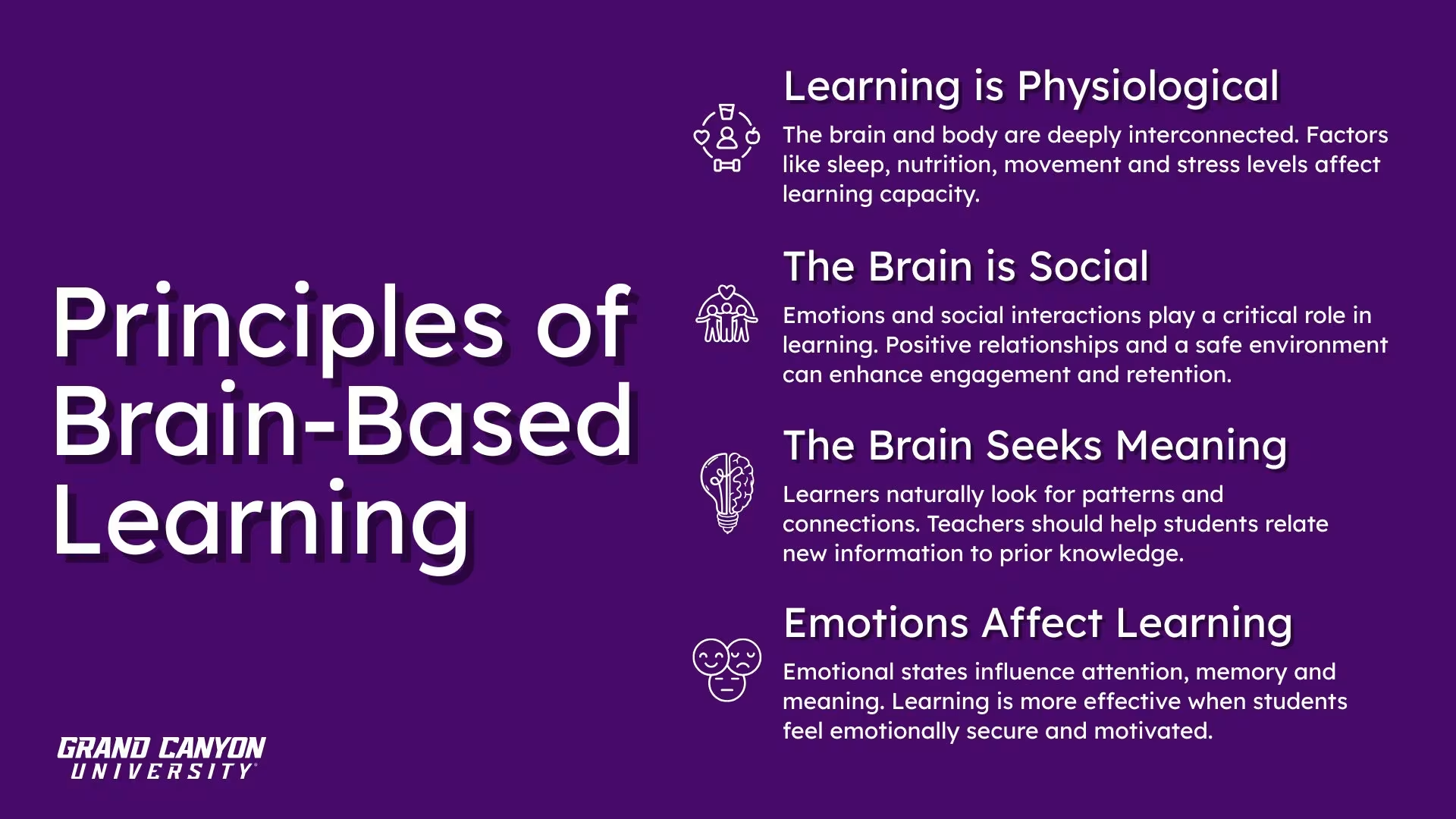
Dr. Critchfield explains, “Brain-based learning is such a powerful approach because it taps into how students naturally learn best. When we use teaching strategies that line up with how the brain organizes and uses information, we see a huge boost in both engagement and learning outcomes.” Some of the key ideas of this approach focus on how the brain is nested within physical, social and emotional environments and experiences.
Engagement and Emotional Connection
Designing an optimized learning process involves considering the learner’s emotional state and connection to the subject matter. Unsurprisingly, we learn and remember information that we evaluate to be meaningful and relevant.(See disclaimer 2) Supporting student engagement through autonomy-supportive practices and strong student-teacher relationships can help students develop a personal connection to the subject material. “On the surface, it may seem like it’s just about making learning ‘fun,’ but it’s not. Brain-based learning is about teaching information in a way that actually makes information worth remembering,” Dr. Critchfield explained.
Active Learning and Repetition
Active learning allows students to become a dynamic participant in the learning process. While some traditional methods of instruction expect students to passively receive information, active learning gives students the ability to engage directly with learning materials through peer discussions and completing case studies that mirror real-world problems.(See disclaimer 3)
Repetition is another powerful tool in brain-based learning. One study found that visiting the same topic at structured, spaced intervals improved retention and understanding of the material.(See disclaimer 4) This method helps students to learn and embed concepts rather than simply memorize them.
Creating Positive Learning Environments
Learning is a complex process that involves both the brain, and the environments students learn in. Learning environments should meet basic needs including physical and psychological safety while also facilitating autonomy, relatedness and competence.(See disclaimer 5) Teachers who create calm, pleasant and orderly learning environments give students’ brains an optimal environment to learn and grow in.
Practical Brain-Based Strategies for the Classroom
Implementing brain-based learning in the classroom can transform lessons into experiences that students remember. By aligning teaching methods with how the brain naturally learns, educators can boost academic outcomes. Below are practical tools you can use to bring these principles to life.
Movement and Multisensory Activities
Optimal brain-based learning allows students to solve problems actively and explore solutions through different sensory modalities. Immersive learning activities that involve movement can help students develop new insights. Movement-based learning activities can also support students’ coordination, exploration, physical health and overall well-being. Creating interactive, puzzle-like activities for students to solve can be a great way to incorporate movement into learning.
Chunking Information for Better Retention
Most learners can hold about six to eight items in their working memory. By creating small groups or “chunks” of items, students can remember far more. For example, individuals have been able to recall strings of over 200 digits by grouping them into four-digit clusters.(See disclaimer 6 )Learning effective memorization strategies can boost students’ confidence and frame retention as a fun challenge. As students realize they can increase their ability to retain information, they may take a growth mindset toward their learning potential.
Real Problem-Solving in Lesson Plans
Students learn effectively when they are presented with problems that are relevant to their lives. Considering the practical contexts that students adapt to and framing lessons in these terms can help aid the transfer of learning. Many practical problems involve connecting multiple steps and have many potential solutions. Activities that require students to solve these problems can boost creative thinking and executive function as students learn how to organize sub-tasks and achieve their solution.
The Impact of Brain-Based Learning on Student Outcomes
Why is brain-based learning important? This approach transforms classrooms by aligning teaching with how the brain naturally processes information. When educators apply these strategies, students can engage more deeply, retain knowledge longer and develop critical thinking and creativity.
Boosting Motivation and Engagement
A study that implemented brain-based learning strategies in math education found a significant improvement in students’ intrinsic motivation to learn mathematics.(See disclaimer 7) They found that these strategies, including role-playing and visual storytelling, were the most effective tools for boosting motivation and engagement. Motivation is related to students’ perception of their competence,(See disclaimer 5) so breakthroughs in ability can create positive feedback loops in which students develop positive associations with the learning content.
Enhancing Retention and Recall
Many brain-based learning strategies pay attention to the environment in which learning occurs. When students are in a new environment, they must pay more attention and in turn form stronger memories.(See disclaimer 2) Changing up the routine of the classroom by implementing the principles of active learning and movement can therefore improve student outcomes. Variations in the learning environment may also support student engagement by keeping the classroom experience fresh.
Supporting Critical Thinking and Creativity
Encouraging students to analyze problems independently and explore solutions helps them to take ownership of their learning journey. Through hands-on experiences, such as case studies and practical problem-solving, students learn from trial and error, sparking creativity and strengthening critical thinking skills. These active learning approaches stimulate the brain to form new neural pathways, laying the foundation for innovative ideas and deeper understanding of classroom material.(See disclaimer 1)
How GCU Teaching Programs Prepare Educators to Apply Brain-Based Learning
At GCU, preparing future educators goes beyond traditional learning methods. The College of Education integrates brain-based learning into curriculum design and instruction, helping graduates to feel equipped to create engaging and effective classroom environments.
Dr. Critchfield explains, “At GCU, we’re very intentional about bringing brain-based learning into both our curriculum and instructional methods. We know that when future teachers understand how the brain learns best, they’re better equipped to create engaging, effective classrooms.”
This philosophy is not just theoretical; it is incorporated throughout the student experience. “We embed brain-based learning strategies like collaborative projects, visual aids, interactive activities, videos, real-world problem-solving and opportunities for reflection, so our GCU students experience them firsthand. Then, in various courses, we help our future educators unpack why those strategies work, based on neuroscience and cognitive research. It’s a powerful combination of theory and practice,” adds Dr. Critchfield.
"For GCU students to be ‘good’ at brain-based teaching when they go into their own classrooms, we have to model it for them. This means that no matter what modality our GCU students are taking courses — in person, on our campus or online — our faculty are modeling brain-based strategies."
— Dr. Meredith Critchfield, Dean of the College of Education
Become a Research-Informed Educator with GCU
At GCU, we believe that effective teaching begins with a strong foundation in research-based practices. Our teaching degrees are designed to equip future educators with the knowledge and skills needed in today’s evolving classrooms.
Through coursework grounded in educational theory and practical application, you’ll explore innovative strategies such as brain-based learning, differentiated instruction and student-centered pedagogy. Whether you're pursuing early childhood, elementary, secondary or special education, GCU’s programs emphasize the integration of theory with hands-on experience. Join a community of passionate educators and prepare to make an impact in the classroom.
Prepare To Teach With Confidence
Start your journey toward becoming an evidence-based educator. Apply and make a lasting impact in the classroom.


